National Domestic Violence Hotline
This article is not intended to address situations of abuse. If you’re in an abusive relationship, you are not alone. Call the National Domestic Violence Hotline at 1−800−799−7233 or TTY 1−800−787−3224. You can also visit the website.
Sam and Jack (not their real names), both in their late forties and married for nineteen years, were on the brink of divorce when we met in my office for their first couples counseling session. “I’m so lonely in this marriage and feel so unappreciated,” complains Sam. “I can’t remember the last time we went anywhere without our kids, and we’re always bickering.”
Jack puts it like this, “Sam is very critical of me and she’s quick to point out my mistakes. I just can’t seem to catch a break. Before I got laid off from my job, things were better between us. Now we’re both unhappy.”
Many couples like Sam and Jack have difficulty sustaining a culture of appreciation when they’re going through challenging times. Instead of expressing fondness and respect, they blame each other for their problems, show contempt, and criticize each other. Sam shows contempt for Jack when she rolls her eyes and says, “You misplaced your keys again? What’s wrong with you?”
Building a Culture of Appreciation
The antidote to contempt toward your partner is to build a culture of appreciation. This helps you create a positive perspective. It can act as a buffer during difficult times such as job loss, illness, a death in the family, or a financial setback.
How do couples foster appreciation? The first step is to discuss values and expectations. A successful relationship is not simply about staying together in good times and bad, in sickness and health. It’s about doing the work of building, enhancing, and repairing your connection.
It’s important to have realistic expectations of each other and the relationship. No one’s perfect, and accepting this is a key aspect of profound love. “We’re in this together.”
Appreciation is a cornerstone for building a culture of respect in your relationship.
Showing appreciation sometimes requires a radical shift in mindset. It can look like acts of kindness such as cooking a meal or writing a romantic note. It means saying “thank you” out loud instead of just thinking it. This doesn’t come naturally to everyone, especially if you were raised in a family where people criticized one another.
Couples who create an emotional safe harbor have more resources to weather life’s storms. They create unity.
Offering Sincere and Positive Appreciation
In Why Marriages Succeed or Fail, Dr. John Gottman writes, “With a little effort and empathy, you can replace thoughtless complaints and criticism with thoughtful remarks.”
Personal growth and love flourish when you’re nonjudgmental and express tenderness through words, tone of voice, facial expressions, or actions. By focusing on what you think your partner most wants and deserves to hear from you, you can offer thanks instead of criticism.
Appreciation can be defined as telling your partner what you love about them. Ask yourself, “What do I like about my partner? What qualities make this person unique and amazing?” And then tell them. You can draw on this reserve of appreciation during tough times. It will help you be less defensive and blameful.
Here are 4 ways to show appreciation to your partner
- Tell your partner what you appreciate about them. This might include their personality or actions. Even if you don’t agree with their viewpoint, praise them for how they deal with a challenge or new event in their life. Be sure that your words are specific and detailed. For example, you can say, “I love the way you care for our family. You’re so thoughtful.”
- Show appreciation by doing small things often. Make the most of small intentional moments to respond to your partner’s bid for attention. Bids can range from questions such as “Did you hear me?”, to complex comments (e.g., “It was a really difficult day”), or a long deep sigh. Examples of responding to bids are a facial expression such as a smile or blowing a kiss. Or expressing positive feelings like “I’m so happy to see you.”
- Make a habit of acknowledging and validating your partner’s feelings this week. Tune in to what they’re saying when they have a problem or feel upset. Validate their feelings by saying something like “That must really feel bad …” and “I’m sorry you had to deal with that.”
- Start an appreciation ritual by sharing two things you appreciate about your partner each day before you go to bed. The main objective of this ritual is to avoid negativity and to focus on what you love about each other.
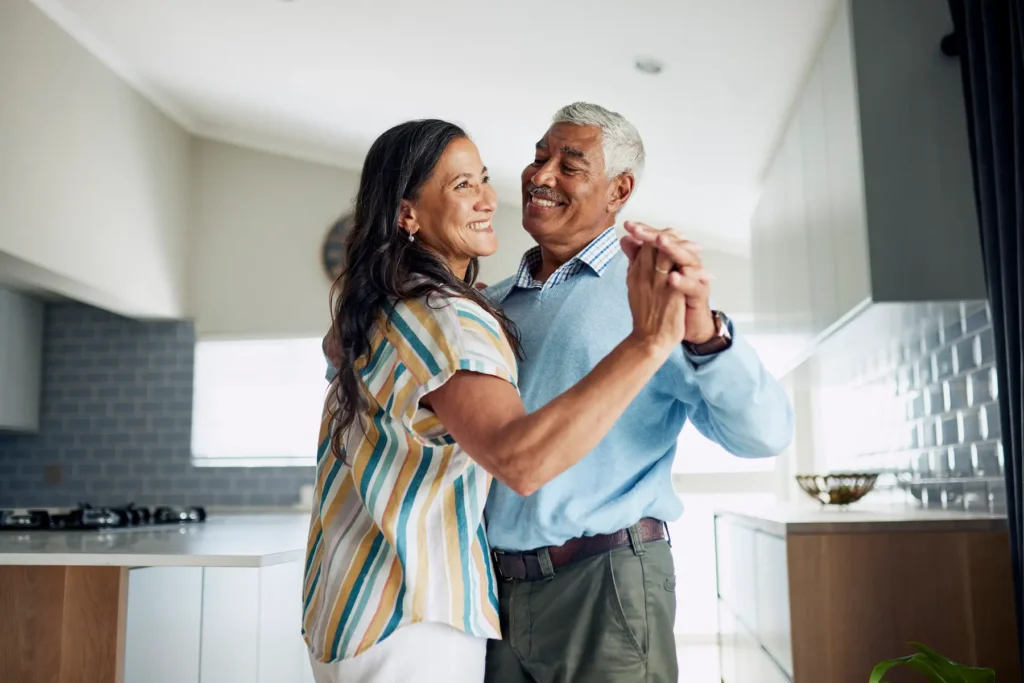
The more you show appreciation, the easier it becomes. Showing genuine appreciation to your partner will improve your feelings of love and belongingness. It creates a positive identity as a couple that includes your past, present, and vision for the future.
The NEW Gottman Relationship Adviser takes the guesswork out of improving your relationship. Measure your relationship health with a research-based self-assessment, then receive a tailored digital relationship plan proven to heal and strengthen your connection.