0

Isolation in the Digital Era: The Power of Human Relationships

Americans aren't spending enough time together despite the mental health costs of isolation.

Couple turning to screens instead of each other

We all need emotional connection. Humans have a natural desire for connecting with others. Whether that’s with a relative, a partner, a friend, or a coworker, it satisfies the common emotional needs of being included, having a sense of control over our lives, and being liked. When these needs are met, people experience well-being and a sense of purpose in their lives.

The Loneliness Paradox

Despite knowing that we are happier and healthier when we have meaningful connections and interactions with people, we still struggle as a society to to effectively address the loneliness epidemic. The Atlantic recently highlighted these isolation issues in ‘Why Americans Suddenly Stopped Hanging Out‘, a problem particularly prevalent among the younger generation. Widespread loneliness profoundly impacts mental health, leading to significant increases in depression, anxiety, and suicide. While discussions of this pervasive issue are frequent, we have not been able to shift away from our dependence on screens and the resulting lack of connection.

A 2018 American Psychological Association study shows that quality social exchanges enhance mental health and prolong life expectancy. However, the pull of screen time over meaningful interactions and unending to-do lists take their toll on our personal connections. The average person spends about 7.5 hours a day on screens, increasing feelings of isolation. Over 95% of teenagers use digital devices before bed, contributing to poor sleep and higher rates of depression. This well-documented correlation between increased screen time and mental health issues underscores a persistent paradox: despite knowing the dangers, we continue to sink deeper into digital interaction. 

‘Screentime predicts depressive symptoms,’ reports the National Institute of Health. Depression has reached all-time highs for many reasons, one being the screen-addicted age we live in. Humans thrive in interpersonal relationships, not digital ones.

Is Digital Companionship the Answer?

In the digital landscape, companies like ParaDot AI, Replika, and other platforms promise to alleviate the ache of aloneness, by telling consumers that caring, romance, and companionship are just a click away. Digi AI also pledges to initiate new types of relationships with their Pixar-character styled companions through its platform. These applications promise a sense of connection, yet it is unlikely they can replace or even supplement the human interactions that are essential for genuine connection. Instead, why not strive to deepen our connections with one another?

Unveiling the Power of Human Relationships

The research is not new nor necessarily surprising. It makes sense. If we do not have healthy relationships our mental health suffers, and the link between physical and mental health is well established. It is not enough to just be in a relationship but it is the quality of the relationship that is important. Enter John Gottman, whose five decades of research have given us invaluable insights into how human relationships work. Dr. Gottman has developed tools that will improve the quality of our relationships, our relationship satisfaction and yes, our mental health. They can be applied across all types of relationships- friends, family, romantic. We must nurture these relationships and continually work on them- as hard if not harder than we do with our jobs.

Instead of turning to our screens when are lonely or bored, let’s turn towards the people in our life. Let’s make those connections that are not only more fulfilling but critical for our health and well being.
Ask Gottman

Your email address will not be published. Required fields are marked *

Alexander Elguren wrote this article as part of Gottman Inc’s Editorial Team. The team is composed of staff members who contribute to Gottman Inc’s overall message. It is our mission to reach out to individuals, couples, and families in order to help create and maintain greater love and health in relationships.

Recommended products

$299.00

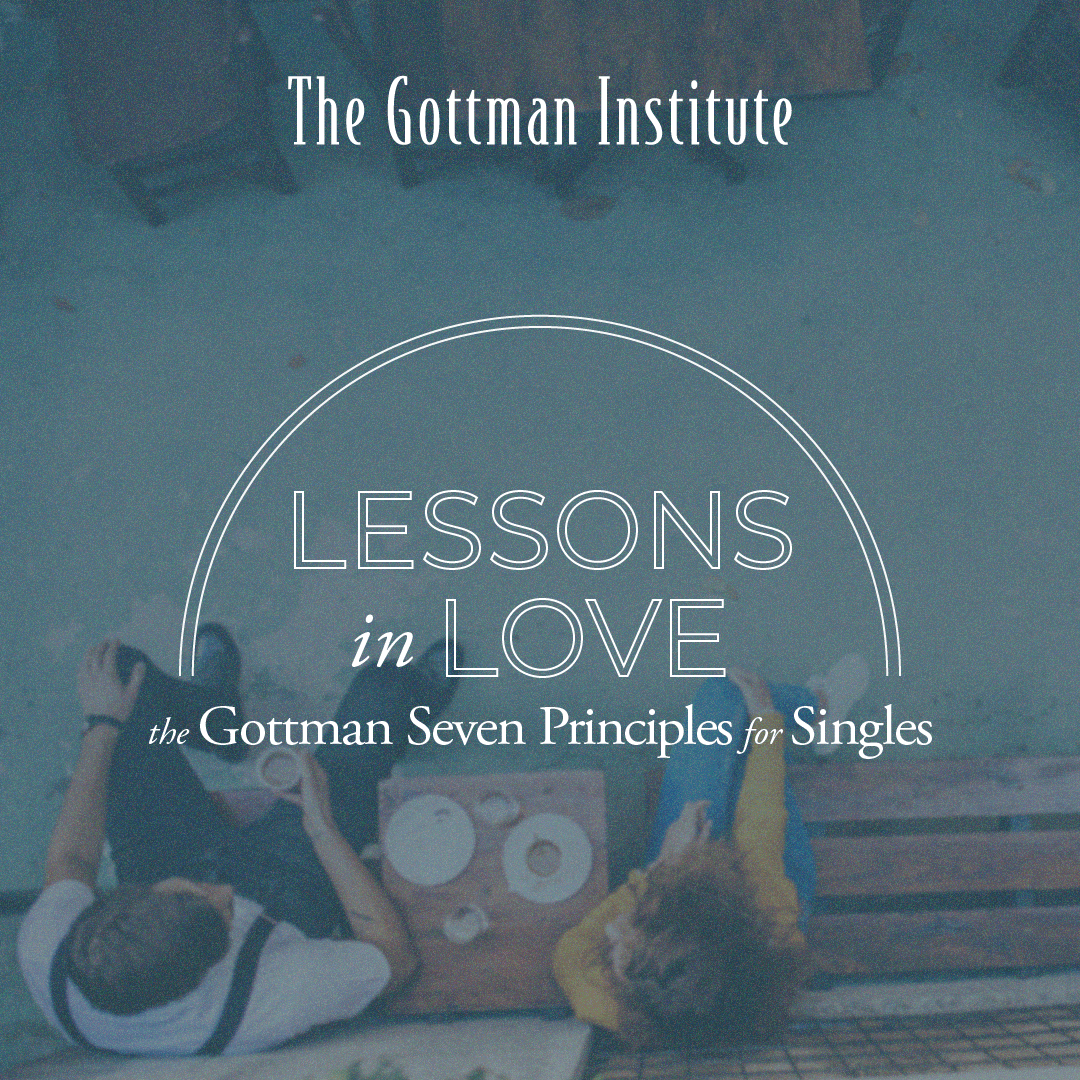
Single and looking to build a happy, lasting partnership?  Learn essential skills to make your next relationship a successful one with this new singles workshop. Based on Dr. John Gottman’s New York Times bestseller, The Seven Principles for Making Marriage Work, this workshop has adapted the proven Seven Principles to help singles learn the key to building successful romantic relationships.

This workshop is for single individuals looking to build a happy, healthy romantic relationship. Individuals who are single or in various stages of dating will learn how to apply the Seven Principles to romantic connections, gaining essential skills to build their best relationship yet to come.

Next 2-Day Live Event: June 15-16, 2024
8:30 AM – 12:30 PM Pacific Time (11:30 AM – 3:30 PM Eastern)

Original price was: $119.00.Current price is: $79.00.

Research-based Foundations for a Lifetime of Love.  The Gottman Relationship Coach is an inspiring and educational multimedia experience designed to enhance the well-being of relationships. Participants will be guided through research-based tools and communication skills that can transform relationships—all based on the popular Gottman Method. The first program, “How to Make Your Relationship Work”, is now available and includes:

  • The Gottman Method and How to Make Your Relationship Work
  • How do we predict the future of a relationship?
  • How to build a Sound Relationship House
  • What to do when the destructive Four Horsemen enter your relationship

“Buy Now” will take you to GOTTMAN CONNECT to purchase and view this product.

Price range: $599.00 through $799.00

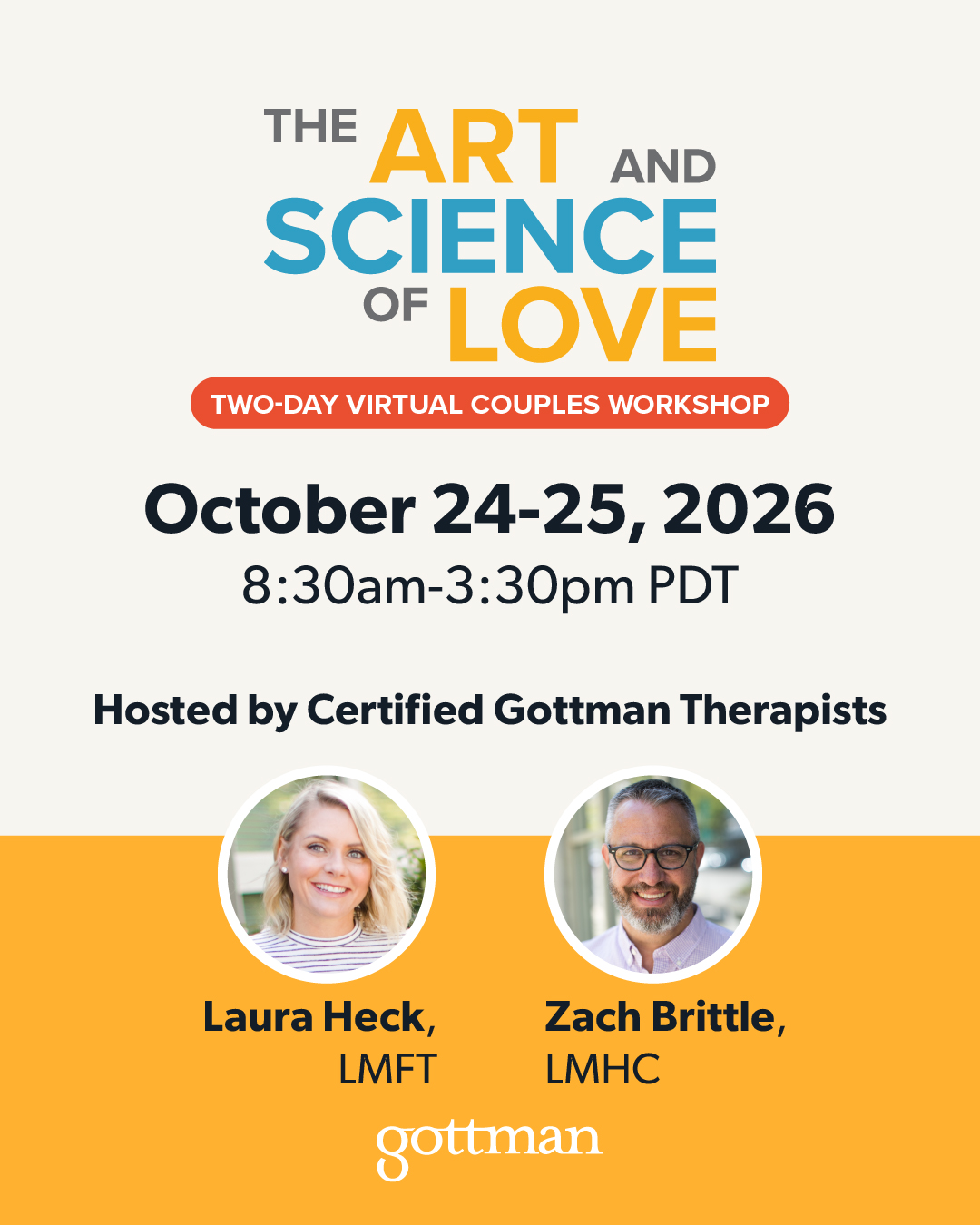
Created by “the Einstein of Love” (Psychology Today), this two-day workshop is grounded on what actually works in relationships that are happy and stable. See for yourself why millions of couples worldwide have benefited from the Gottman Method.

Quote from participant in most recent Live Virtual Workshop:

The Art and Science of Love workshop- where do I begin? It was an absolute stellar workshop. We were looking forward to this for weeks, and it exceeded our expectations! It was well-structured, and well-organized, and provided a wealth of information with real-time demonstrations of how to work through specific scenarios. The outstanding support that was provided throughout the exercises with therapists on standby- WOW! Priceless!

Includes the Art & Science of Love box set.  Please allow time for shipping.  Please Note: This is a live online event. To attend, you will need a reliable internet connection. Our staff will reach out to you with your personal registration and access information.

Related posts

Self-Help Relationship Tools: Do They Really Work?

The Gottman Institute

Do relationship self-help tools really work? Learn how research-based Gottman tools can improve communication and reduce conflict.

Read More

Young man mid-backflip above the sea beside a rocky cliff.

Inside the Teenage Brain: Why a Risk Can Look Like an Opportunity

Alexander Elguren

Before the next party or ride with friends, talk about what your teenager expects to happen—and what they can do if it doesn’t.

Read More

Teenage boy sitting on a paved path beside grass in a city park.

You Want Your Teenager to Find a Purpose. Are You Asking the Right Questions?

Alexander Elguren

How to explore what matters to your teenager—and help them pursue something they choose for themselves.

Read More

Teenage girl standing apart from a group of peers outdoors.

A Friend They Can’t Say No To

Alexander Elguren

How to help your teenager handle peer pressure when saying no could mean losing a friend.

Read More

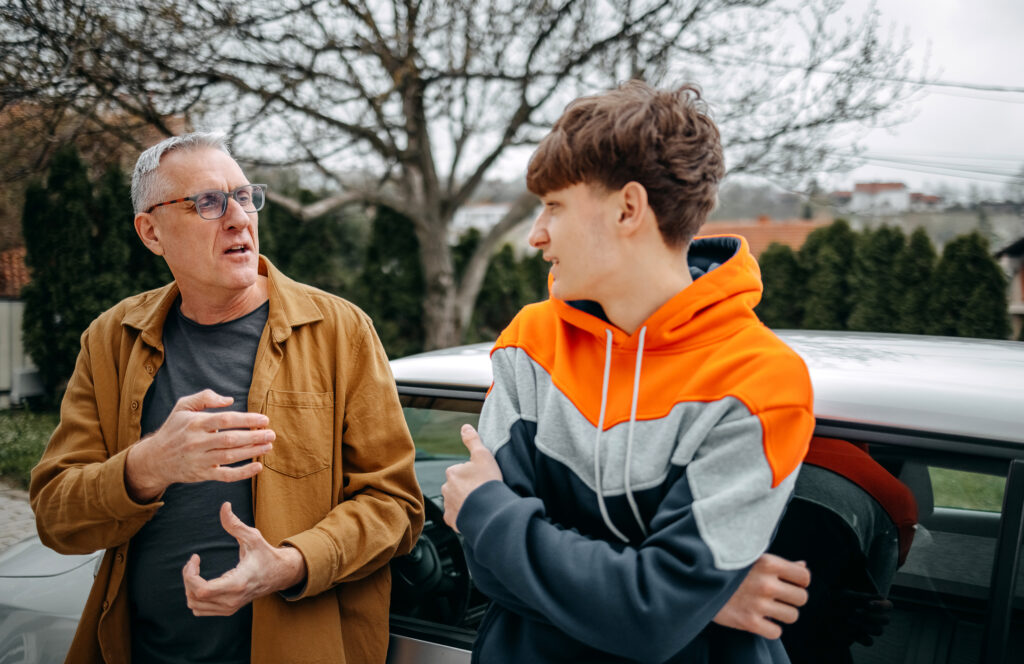
Father and teenage son talking beside a car.

Your Teenager Is Changing. What Kind of Parent Do They Need Now?

Alexander Elguren

As teenagers make more decisions for themselves, parents have to learn how to advise, stay involved and give them room to grow.

Read More

Teenager sitting in a dimly lit room with a hand across his forehead.

Your Teenager Is Growing Up in Their Sleep.

Alexander Elguren

We keep planning their future around their waking hours. Here’s why parents should build the day around sleep.

Read More

Improve your Relationship Skills with our Free Newsletters
0