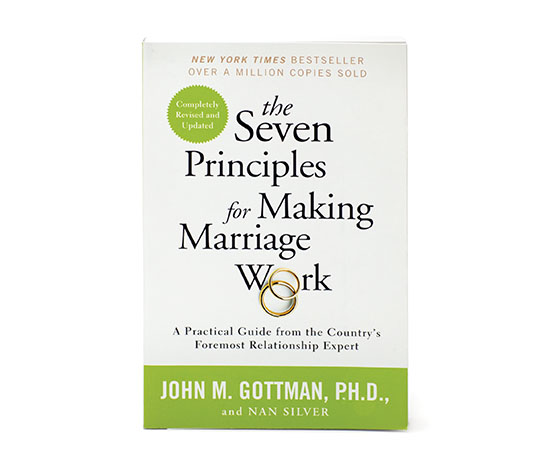
One of the most common of the Four Horsemen is criticism. The Four Horsemen are what Dr. John Gottman calls the dynamics in a relationship that can lead to relationship distress, demise and potentially divorce. Criticism is when one partner attacks the other person’s character not just an action or behavior. It often sounds like ‘you always’ or ‘you never’ and can trigger defensiveness which leads to a cycle of conflict that is hard to escape.
Defensiveness
Defensiveness is an attempt to protect oneself, to defend one’s innocence, or to ward off a perceived attack. Sometimes this is done by counter-attacking or acting as an innocent victim. Defensiveness is also one of Dr. Gottman’s 4 Horsemen, so while seemingly innocent can also be damaging to your relationship.
We often see defensiveness in response to criticism and then the cycle of conflict has begun. When there is a conversation that starts negative, it will stay negative. If you are identifying with this dynamic right now, not to worry, science says that everyone does it. It’s easy to slip into these patterns, and there are tools to learn new ways to talk about conflict.
So what do we do?
Luckily Dr. Gottman didn’t just identify the dynamics that lead to relationship disaster, he also figured out the antidotes to each of them. The antidote to criticism is a gentle start up. This means stating your feelings about something (an action, behavior or event) and telling them what you need (something concrete) to improve the situation.
We know from the research that the first 3 minutes of a conversation predicts how the rest of the talk will go, so it is imperative to start off right.
Here are some examples of a harsh startup i.e. what NOT to do:
- You Always…
- You Never…
- Why do you…
- Why don’t you…
A note about ‘Why’: A statement that begins with ‘why’ is rarely seeking information but more often is an expression of disappointment and anger.
Instead use a gentle start up:
- I feel…
- About what…
- I need…
The importance of repair
Even happy healthy couples will occasionally fall into this cycle. However, couples who are on a positive trajectory make repairs when needed. This means taking responsibility for your part of the cycle and lowering your defenses. Repair attempts are also important in the moment to disrupt the cycle and prevent negativity from escalating out of control. Making and receiving repair attempts are a foundational skill of emotionally intelligent couples. Dr. Gottman’s research shows ‘the success or failure of a couple’s repair attempts is one of the primary factors in whether [a] marriage is likely to flourish or flounder.’
So remember plan your startup, be gentle, and lower defenses. These are keys to staying out of the criticism defensiveness cycle.
FREE Download | What Are You Really Fighting About?
Download an exercise designed to help you learn how to use conflict to communicate better rather than arguing endlessly.
Sign up for Love Notes and Get the FREE Gottman worksheet, What are You Really Fighting About.