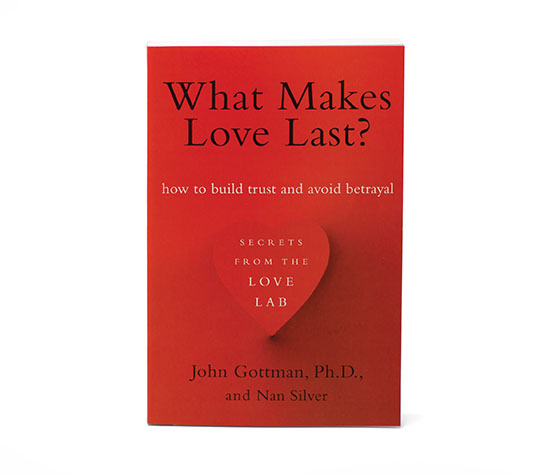
Dr. Gottman opens his long-awaited book, What Makes Love Last?, with an unsettling anecdote about trust: suspecting his wife of cheating, one man crept outside in the morning before he left for work to draw chalk marks on his wife’s rear tires. Discovering their disappearance when he returned that evening, he came to the conclusion that she had left the house in his absence and asked his wife if she had been out. Forgetting that she had made a trip to the post office that morning, she said no. Certain of her betrayal, he erupted into a jealous rage. Cue a rush of blood to the head, increased blood pressure, throbbing veins, and slammed doors.
Though this example is disturbing, upon further consideration its actually pretty normal. In a way, haven’t we all experienced a “chalk mark” moment? We are all human, wired with an embedded response system to sense insecurity and danger in situations. What is disquieting about this anecdote is not at first entirely apparent. It rings true in its unsettling qualities by revealing the true impact of suspicion, jealousy, emotional overdrive, and other reactions to a lack of trust in our relationships – both on our partners and on ourselves.
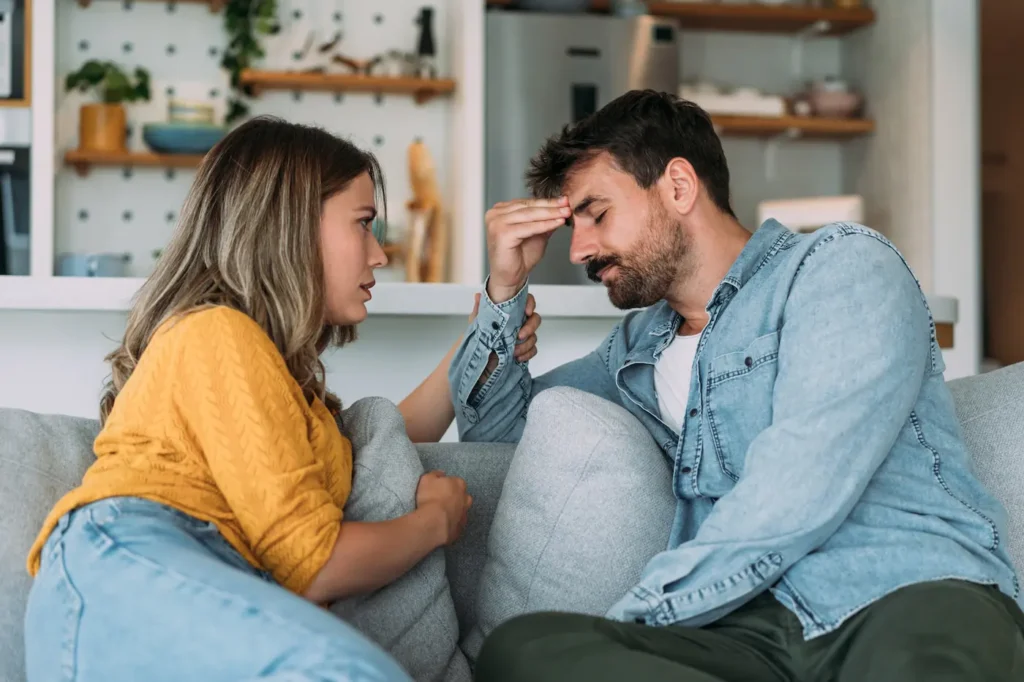
As Dr. Gottman explains in What Makes Love Last?, the stress we feel emotionally is often expressed in tangible ways beyond drawing chalk marks on our partners’ car. The toxicity of trust-destroying behaviors in our relationships may cause such physical symptoms of stress as: sweating, shaking, shortness of breath, states in which it is completely impossible to think clearly about anything at all, much less to resolve a complicated problem with our loved ones. Lashing out at each other, it seems that there is more cause for alarm because we are effectively posing long term health risks to each other, and to ourselves.
In his world-renowned Love Lab, equipped with computers, video cameras, physiological sensors, and an array of fascinating scientific gadgets, Dr. Gottman shattered many misconceptions about the nature of relationships. Though we may be right to be skeptical of the ability of a scientist to capture the magic of romance, this is not what Dr. Gottman claims to do at all. Instead, he provides us with an incredible insight into the very workings of our physiology. He has been able to explain how our everyday conversations hide a variety of micro-expressions – physical and emotional, both externally explicit and internally felt – deeply move our relationships.
A Happier Relationship Starts Today
Subscribe to Gottman Love Notes and get regular relationship tips and resources from the experts, plus a monthly free couples exercise and access to special pricing on Gottman products.