0

The Gifts of Showing Your Gratitude for Each Other

How a simple “thank you” can create connection

Showing Your Gratitude

As a couple, did you know that you’re not required to do nice things for each other? Did you know you don’t have to want to do those things?

It’s true. That’s why anything you or your partner do for each other is a gift.  

While many of my clients give me the side-eye when I say this in session, they quickly realize it’s a true statement. They do things for each other out of a sense of obligation or guilt. Disconnection and repeated negative patterns of conflict wear them down, and they go through the motions of the relationship because they believe it’s what they should do. These couples sometimes end up performing acts of service for each other versus gifting from a space of gratitude motivated by contentment.

Are You in Negative Sentiment Override?

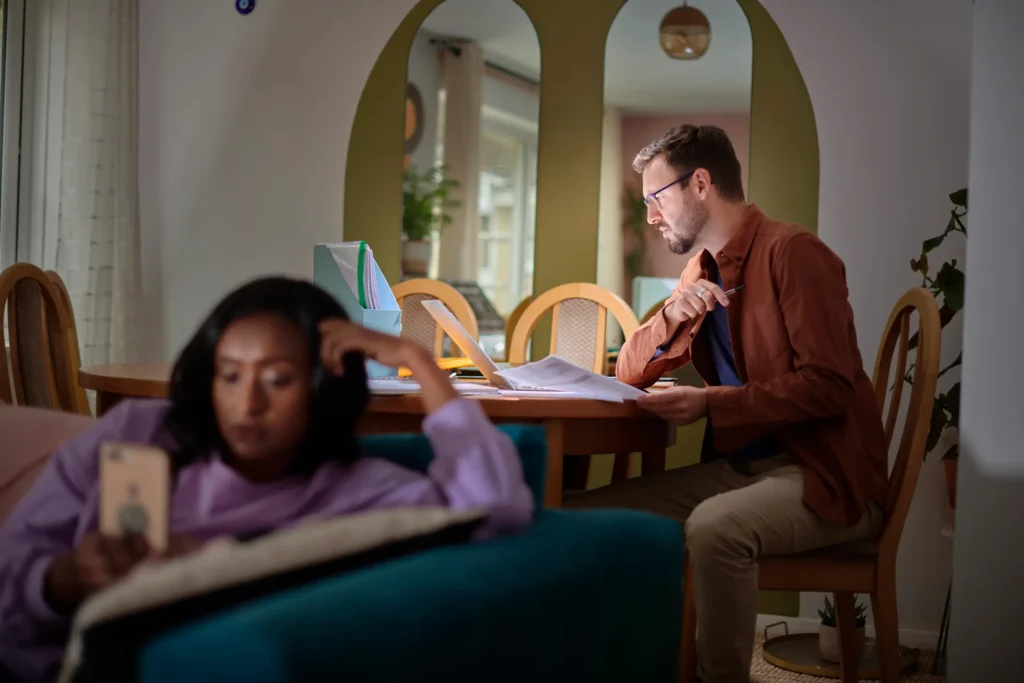
Sometimes couples are in a state of negative sentiment override where they assume the worst about each other’s intentions. They want to feel connected and seen by their partner but instead have their partner turn away from their bids for attention. As a result, it can feel harder for them to envision how they might regain a sense of gratitude for one another. However, it only takes one person initiating action to trigger a positive impact on the relationship. Showing and expressing gratitude can be that one small step to putting the relationship back on course. 

Share Fondness and Admiration

Sharing fondness and admiration is something that even the most contemptuous and emotionally disconnected couples can easily manage to work into their relationship. Showing gratitude for your partner’s gifts can be as simple as saying thank you for cooking a delicious meal or acknowledging they did something kind for you. Sharing fondness and admiration can also sound like letting your partner know you are proud of them and admire who they are. 

At first, this might sound disingenuous if there have been negative feelings in the relationship for a while. However, remember why you fell in love with your partner. Hopefully, you can recall that at one point in your relationship all these things used to be truly how you felt. 

Can you dust off a positive perspective about your partner and remind them (and yourself) why you are grateful to be in this relationship?

Showing appreciation and fondness to your partner may be unfamiliar for you. Gratitude will gain momentum in your relationship over time and with a regular commitment to noticing and articulating the things that you are grateful for about your partner. Your partner, who might at first be wary of the intentions behind the fond words, will relax into their own sharing of appreciation for the work you are doing to make a shift in the tone of the relationship. Don’t be surprised if rather quickly you start to receive reciprocal appreciation.

Final Thought

One piece of homework I give to my clients is to get into the habit of ending the day by telling each other the five best things that happened in their day. Talking through the events of the day and reflecting on how they turned out better than they anticipated creates a ritual of connection around gratitude. Acknowledging how each partner played a role creates a sense of connection and mutually shared gratitude. Couples who acknowledge that they share a life that has value, resilience, and mutual support help foster an authentic daily practice of appreciation for the connection the partners create as a team that wouldn’t exist without each other.

Attend the Art and Science of Love virtual event workshop and learn how to share fondness, admiration, and so much more. Register today!
Ask Gottman

Your email address will not be published. Required fields are marked *

Dr. Dana McNeil, PsyD, LMFT is a Certified Gottman Therapist, relationship expert, speaker, and founder of The Relationship Place in San Diego, California. Licensed in California and Texas, she specializes in helping couples navigate high-conflict relationships, communication breakdowns, infidelity, and the complicated patterns that can leave even deeply committed partners feeling stuck.

Known for her warm, direct, and practical approach, Dr. Dana helps couples understand what’s happening beneath their arguments, recognize the patterns that keep getting them into trouble, and learn how to communicate in ways that give them a better chance of getting their needs met. She offers traditional couples therapy, extended couples intensives, and discernment counseling for partners who are uncertain about the future of their relationship.

In addition to her clinical work, Dr. Dana provides professional training and speaks on relationship dynamics, conflict, and the application of Gottman Method interventions in complex clinical situations. Her relationship expertise has been featured in publications including Good Housekeeping, Psychology Today, Business Insider, and other national media outlets.

Learn more about Dr. Dana at www.danamcneil.com or visit www.sdrelationshipplace.com

Recommended products

$30.00

Improve your relationship in 30 days! Backed by over 50 years of research, the 30 Days to a Better Relationship challenge will help you reconnect with your partner and bring more positivity into your relationship. The tools and exercises, delivered once a day for 30 days by email, build on one another and take five minutes or less to complete.


Related posts

One partner using AI to get relationship advice while her partner sits nearby.

When AI Makes Couples More Certain, But Not More Connected

Dana McNeil

AI can offer relationship advice, but can it build connection? Explore how relying on AI may reinforce assumptions rather than foster understanding between partners.

Read More

Emotional cheating: a woman alone at a coffee-shop table, hand against her cheek, behind a dark pillar

How a Coffee-Shop Friendship Can Turn Into Emotional Cheating

Alexander Elguren

He told himself it was innocent. He didn't tell his wife.

Read More

A woman with curly dark hair in a white shirt looks at the camera while a man in a dark shirt holds her from behind, his face turned toward her.

The Sex Stopped. Neither of Them Said Anything.

Alexander Elguren

Why revealing yourself matters more than revealing lingerie.

Read More

Four people at a dinner table by an open window at sunset, one couple looking at a book together while the other two sit apart

You Still Get Along. It Might Still Be Roommate Syndrome.

Alexander Elguren

What the Term Means, and Why Marriages Like These Can Have a Renaissance.

Read More

A couple at a dark table, each looking down at a phone, not at each other

Phubbing Is Rarely Malice. It Still Can Hurt.

Alexander Elguren

What the Word Means, and When It Becomes a Problem Between You.

Read More

A couple at a cafe window: she looks past the camera in sunglasses while he leans on the counter and looks toward her, the kind of moment a partner can read as emotionally unavailable.

When Your Partner Seems Emotionally Unavailable

Alexander Elguren

You are not imagining the distance. You may be misreading it.

Read More

Improve your Relationship Skills with our Free Newsletters
0