“My sobriety isn’t a limitation. Sobriety isn’t even a ‘have to’—it’s a superpower.”
Brené Brown
I couldn’t agree more.
I’m not an addiction specialist nor am I here to judge. I’m a registered psychotherapist, conscious parent, and someone who’s benefited tremendously from sharing a substance-free relationship for several years.
For some, it’s a slippery slope between drinking casually and using it as a coping mechanism. I remember the day I made the decision not to drink alcohol anymore. I never considered myself to be an alcoholic, although I definitely went overboard on a few occasions. When I told my husband I needed a drink after a long snow day alone with the kids, it scared me.
Besides the pain and trauma caused by addiction in my own family tree, I’ve heard countless stories about the devastating effects of alcohol on individuals and families. I’m not saying that’s your family. But in case you feel a little concerned or want to give sobriety a try, here are some benefits and tips to make it easier to maintain sobriety during the holiday season.
Choosing Sobriety Together
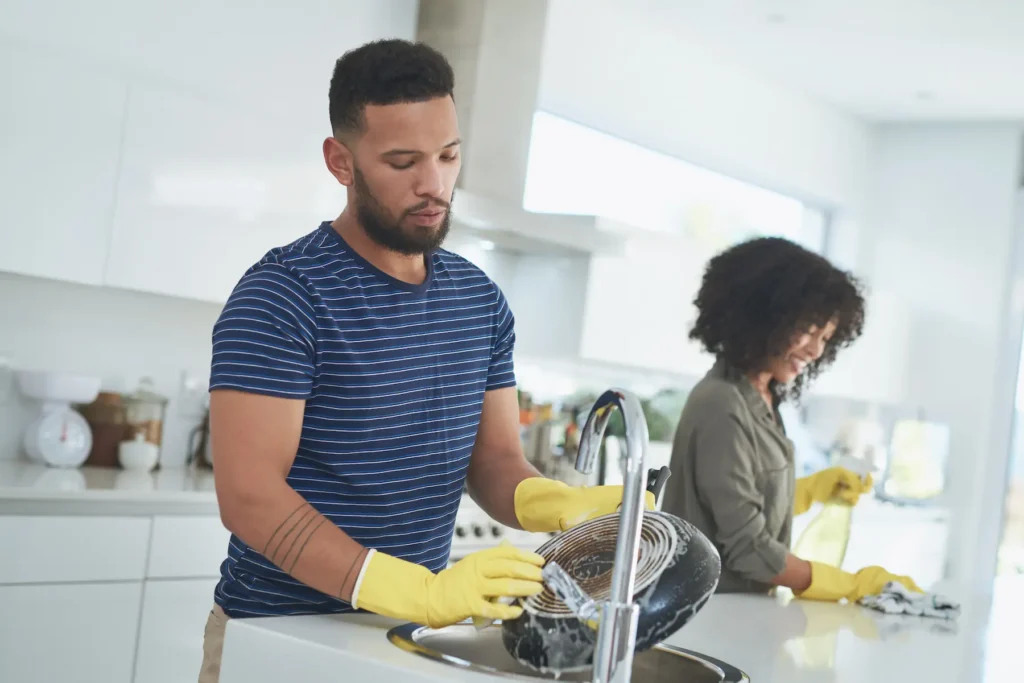
While I can’t speak for everyone, ever since my husband decided to give up alcohol alongside me, our relationship has only gotten stronger. We helped our children through the uncertainty and loss of the pandemic with vulnerable conversations and “natural highs,” such as daily walks in nature, family games, and movie nights. There’s more laughter and healing tears in our home now. We’ve supported each other in taking risks and investing in our career dreams. We also started to make more time for our shared value of community involvement.
Consider This When Going Sober
Don’t think of it as giving anything up. Think about what you all can gain and have fun with it. Increase your water intake (which most of us need to do anyway). Get creative coming up with tasty mocktails and soothing herbal teas.
Support each other in seeking therapy or other forms of help. If you use alcohol to cope, you may find that underlying grief, trauma, or anxiety can start to surface. Negotiate how to support each other’s needs for healthy coping and daily self-care. Find a Gottman Method-trained therapist near you.
Make a plan for how you will spend the money saved on alcohol. Perhaps you can donate some of it to a cause. You could sponsor others who cannot afford therapy or save for a trip or extra-special date nights.
Stand united. Not everyone will understand. You may have to let some people go. Stay focused on the benefits you notice personally and in your relationship. Just know that it’s normal to outgrow some relationships as you continue on your healing and awakening journey.
Tips for Holiday Sobriety
Maintaining sobriety can be especially hard during the holiday season when you can feel pressure from family or colleagues to indulge. Here are some ways to resist peer pressure and honor your commitment.
Prepare yourself. Be prepared for people to notice and ask questions or make assumptions. You can practice your response ahead of time to help you feel more comfortable in claiming your sobriety as a personal choice. You don’t have to go into a long explanation. If people keep trying to pressure you, politely say no thank you and walk away.
Manage “FOMO.” You may feel a “fear of missing out” or like you don’t belong anymore, especially if the gatherings have a heavy emphasis on drinking. Root into your reasons for choosing sobriety and celebrate that you are being true to yourself. You can shorten your visit or suggest an alternative alcohol-free venue to make it a little more manageable.
Take the spotlight off you. People love to talk about themselves. If you feel especially self-conscious without any “liquid courage,” take a moment to soothe and calm your nervous system by taking some deep breaths. Then as you look around the room, describe three things you like. Next, try asking people questions and focus on really staying present. In this age of distractions, people crave undivided attention. Your genuine interest is a gift they will remember.
Trust that in time it will get easier. If you are the host, let guests know that alcohol will not be provided and that they should bring their own if they want it. You don’t need to feel bad or embarrassed. Our guests sometimes bring alcohol, other times they choose not to drink either. As the years have gone by, each outing and gathering has gotten easier.
Are you a clinician working with couples in recovery? Take our Couples and Addiction Recovery course. This training provides interventions and tools for a relational approach to healing that addresses three different but overlapping recoveries to include: the person with the addictive disorder, the partner, and their relationship. Earn up to six CE credits now.