0

Our Friend and Valued Colleague, Sue Johnson

We are so sad to announce that Sue Johnson has died at the age of 76 from cancer.  She was a close friend of ours and a valued colleague. We loved her enormously. She gave us profound insights into how to create connection and safety in close relationships. Sue used attachment theory to brilliantly illuminate the logic of emotions and how, once revealed, they become a guide to our interpersonal needs. These needs, once articulated in the context of a loving, safe haven can guide a couple toward lasting love.  

From the start, Sue created a theory of adult love relationships that she tested empirically. She combined the best qualities of a healer with the best qualities of a scientist. She could also communicate her insights poetically and lyrically. When she observed that some couples got stuck using her emotionally-focused therapy, she went back to the data and revealed that in most cases there was a regrettable incident that had created an attachment injury, and then she demonstrated that healing that attachment injury increased her therapy’s effectiveness. Science, guided by clinical intuition, doesn’t get any better than that. 

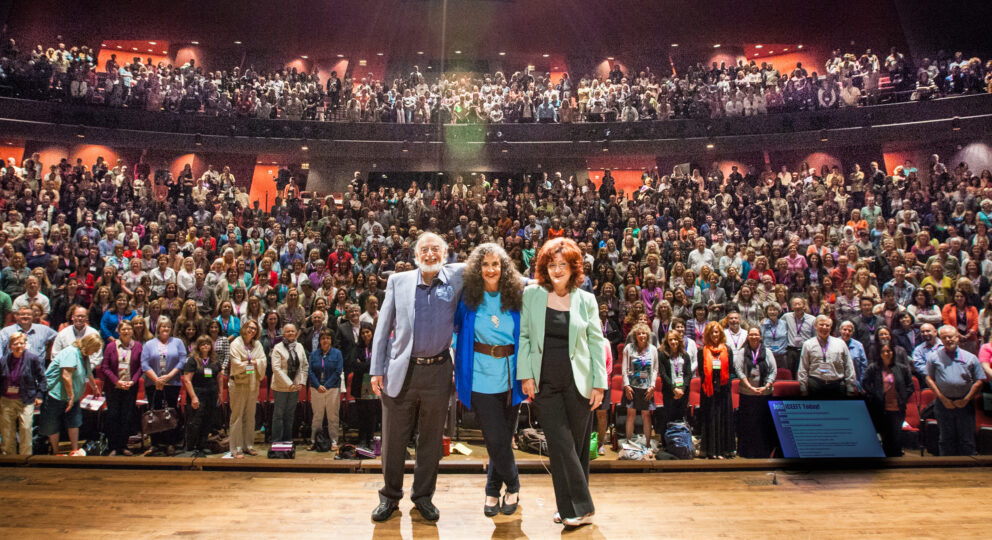
The three of us used to have deep conversations about the dance of love and how to conduct further studies into choreographing it.  Years ago, Sue also joined us at a Gottman Institute Summit conference that was one of our best.  She was always willing to share her insights.  It might be easiest to say that we had a mutual admiration society.  

For Sue relationship synchrony could become a beautiful dance that could give flight to a couple’s imagination and intimacy. Sue Johnson tapped a vital fountain of love and connection that could heal and create a secure bond. What a meaningful life she led. 

We will deeply miss her.  
Ask Gottman

Your email address will not be published. Required fields are marked *

World-renowned researchers and clinical psychologists, Dr. John Gottman and Dr. Julie Gottman have conducted 50 years of breakthrough research with thousands of couples. They have published over 200 academic journal articles and written 46 books that have sold over a million copies in more than a dozen languages.

Recommended products

$650.00

Join the thousands of clinicians worldwide who have completed Level 1 and 2 Training in Gottman Method Couples Therapy.  Save when you bundle both programs together.

$30.00

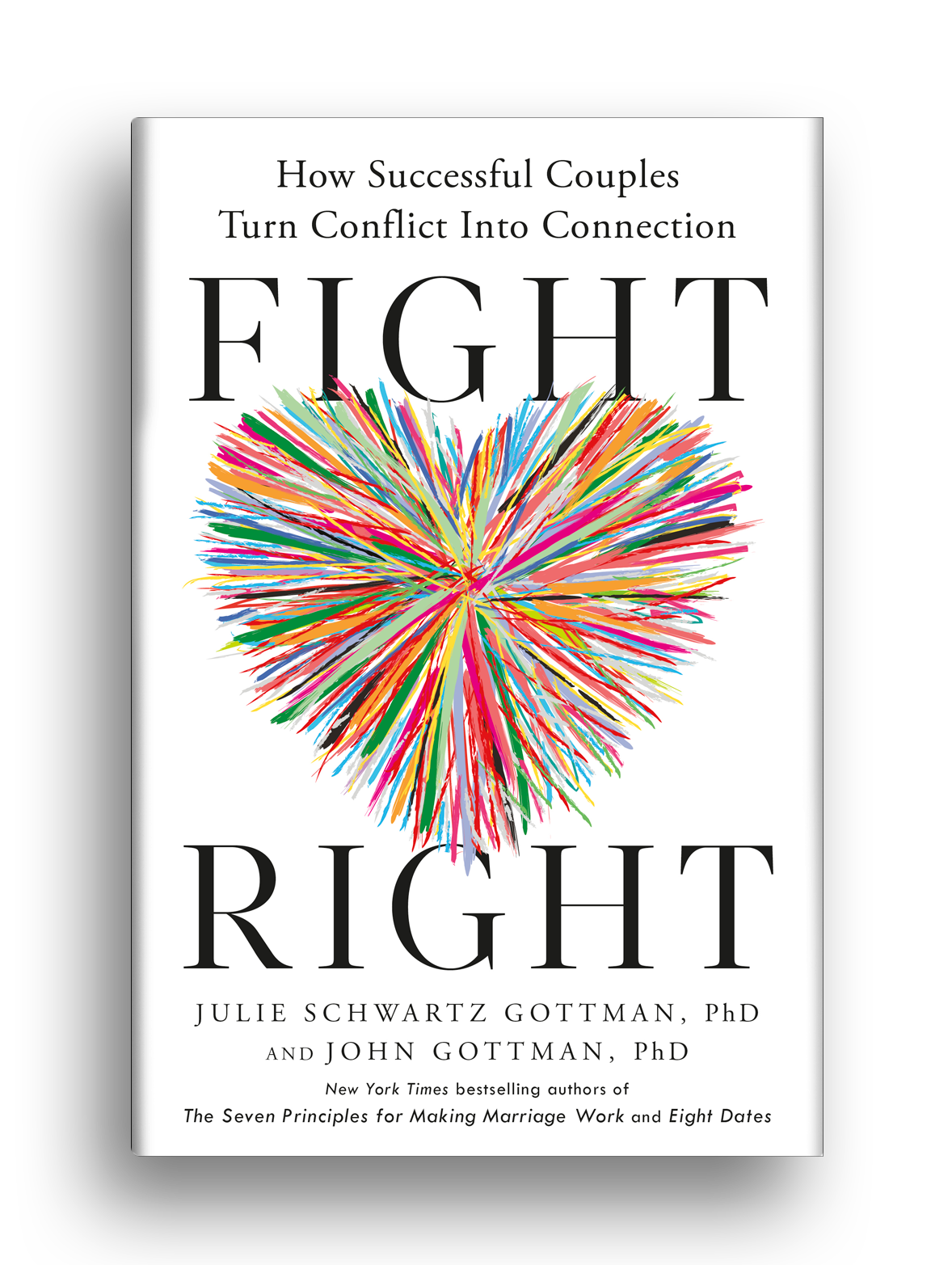
How Successful Couples Turn Conflict Into Connection

Fight Right, the New York Times Best Selling book from Dr. Julie Schwartz Gottman and Dr. John Gottman

LEARN THE 5 SECRETS OF SUCCESSFUL COUPLES

Conflict is the top reason couples seek help—but it’s also an opportunity for greater intimacy, deeper connection, and lasting love according to this essential guide from the world’s leading relationship scientists and bestselling authors of The Seven Principles for Making Marriage Work and Eight Dates.

Click here for free Fight Right resources and products from the Gottmans on how to turn conflict into connection.

On sale now!

Related posts

Self-Help Relationship Tools: Do They Really Work?

The Gottman Institute

Do relationship self-help tools really work? Learn how research-based Gottman tools can improve communication and reduce conflict.

Read More

Young man mid-backflip above the sea beside a rocky cliff.

Inside the Teenage Brain: Why a Risk Can Look Like an Opportunity

Alexander Elguren

Before the next party or ride with friends, talk about what your teenager expects to happen—and what they can do if it doesn’t.

Read More

Teenage boy sitting on a paved path beside grass in a city park.

You Want Your Teenager to Find a Purpose. Are You Asking the Right Questions?

Alexander Elguren

How to explore what matters to your teenager—and help them pursue something they choose for themselves.

Read More

Teenage girl standing apart from a group of peers outdoors.

A Friend They Can’t Say No To

Alexander Elguren

How to help your teenager handle peer pressure when saying no could mean losing a friend.

Read More

Father and teenage son talking beside a car.

Your Teenager Is Changing. What Kind of Parent Do They Need Now?

Alexander Elguren

As teenagers make more decisions for themselves, parents have to learn how to advise, stay involved and give them room to grow.

Read More

Teenager sitting in a dimly lit room with a hand across his forehead.

Your Teenager Is Growing Up in Their Sleep.

Alexander Elguren

We keep planning their future around their waking hours. Here’s why parents should build the day around sleep.

Read More

Improve your Relationship Skills with our Free Newsletters
0