If you’re a new or expecting mother, you know that having a baby comes with a flurry of emotions, including excitement, awe, and joy. But for many new moms, the transition to parenthood comes with another other set of unexpected feelings: anxiety, fear, and uncertainty. These are commonly known as the “baby blues.”
The baby blues can appear just days after birth and can last up to several weeks. These unwelcome emotions are caused by fluctuating hormones and heightened relationship distress. Not surprisingly, 67% of couples experience a decline in relationship satisfaction in the first three years of the baby’s life.
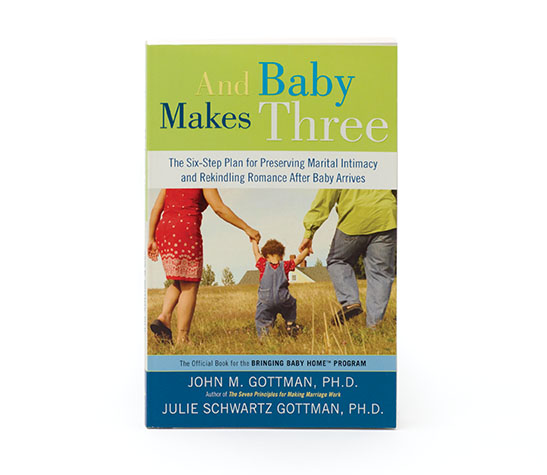
Symptoms of the baby blues generally dissipate within the first few weeks after birth. The best thing new moms can do is to talk with their partner about their feelings. Really, it can be that simple. Dr. John Gottman’s research on Bringing Baby Home found the strength of the couple’s friendship to be a key factor in reducing the baby blues and postpartum depression. Feeling supported by your significant other makes the transition easier and more manageable.
Sometimes, however, the baby blues can lead to more severe postpartum mood disorders. Up to 25% of new mothers with symptoms of the baby blues will develop full-scale postpartum depression or anxiety. This can happen at any time within the first year, but research shows it often peaks between three to six months after the baby’s birth. If these symptoms heighten in scale and persist for more than six weeks, new mothers should consider seeking professional support.
There are many risk factors that increase the likelihood of severe mood disorders, including external stressors such as job loss, a baby’s high needs or developmental delays, and a family history of depression.
Unfortunately, many new moms don’t know the signs of postpartum depression and, once detected, are too afraid or embarrassed to seek help. For those who do open up, they often receive unhelpful advice to “cheer up” or that “it will get better.” This can creates shame, embarrassment, and overwhelming feelings of guilt.
Warning signs to look out for
New moms can’t wish postpartum depression away. They require support, counseling, and sometimes even medical treatment. Here are some common warning signs to look out for:
- Feeling isolated and alone
- Feeling worthless and ill-equipped to take care of your baby
- Finding no enjoyment or pleasure in things
- Sleeping too much or too little
- Feeling irritable, angry, or cranky most of the time
- Feeling empty, lethargic, numb, or feeling nothing at all
Postpartum anxiety can look very similar to postpartum depression, but it has some distinct differences:
- Shortness of breath
- Chest pain, dizziness, sensations of choking (characterized as panic attacks)
- Excessive worry, fear, or restlessness
- Bizarre, erratic behaviors such as frantically cleaning the house in the middle of the night
Additionally, if ignored or untreated, postpartum mood disorders can spill over into other areas of parenting. High conflict or depressed parents have trouble understanding and responding to their baby’s cues that can cause the infant to withdraw.
Children who have depressed parents in the home lack joy themselves. They become emotionally withdrawn and timid about the world around them. Having a responsive and caring parent reverses these effects.
Friendship is key
Dr. Gottman’s research on new parents began in 1999 in Seattle, Washington, as a pilot and later grew into a full-scale research study that concluded in 2005. The data showed that couples who took the Bringing Baby Home program had less relationship meltdown, higher relationship quality, less interpersonal hostility, and markedly less incidence of progressive symptoms of postpartum depression.
The difference between happy and unhappy couples? The strength of their friendship and emotional connection. Here are actionable suggestions to maintain the quality of your relationship and build a strong and healthy family:
- Have a daily stress-reducing conversation
- Approach conflict gently
- Express Fondness and Admiration
- Regularly update your Love Maps
There is also an astounding body of research that shows that the power of touch and massage can be a vital addition to reversing the effects of stress associated with having a baby. Just 15 minutes a day of partner massage has been shown to alleviate depression in new mothers.
By complementing a strong connection and friendship between partners with exercise, walking, psychotherapy, and healthy nutrition, parents with postpartum depression can help manage and reduce the intensity of this transition phase.
At a time which should be one of the happiest of their lives, new parents can find reassurance in the fact they are not alone in the experience of depression. For women who get down on themselves for feeling this way, a supportive and engaging co-parent can make a world of difference.
For more information about postpartum mood disorders or to seek help, contact the Postpartum Support hotline at 1-800-944-4773.
If you are a new or expecting parent, our Bringing Baby Home New Parents Workshop will provide you with evidence-based parenting and communication skills to maintain stability, health, and happiness in your relationship during the transition to parenthood. Click here to find a workshop near you.
Sign Up and Join Our Community!
Sign Up and Become a Super Parent
Become a Super Parent
As a Super Parent you get:
- Exclusive access to the Gottman Parenting Newsletter
- Special pricing offers and discounts
- $58 saving on the Gottman Toddlers Bundle
- Parenting tool and case study on "Toddler Boundaries and Meltdowns: The Secret to Setting Limits"
- Get weekly notifications of new Parenting Blog Posts