Benefits of Staying Sexually Active
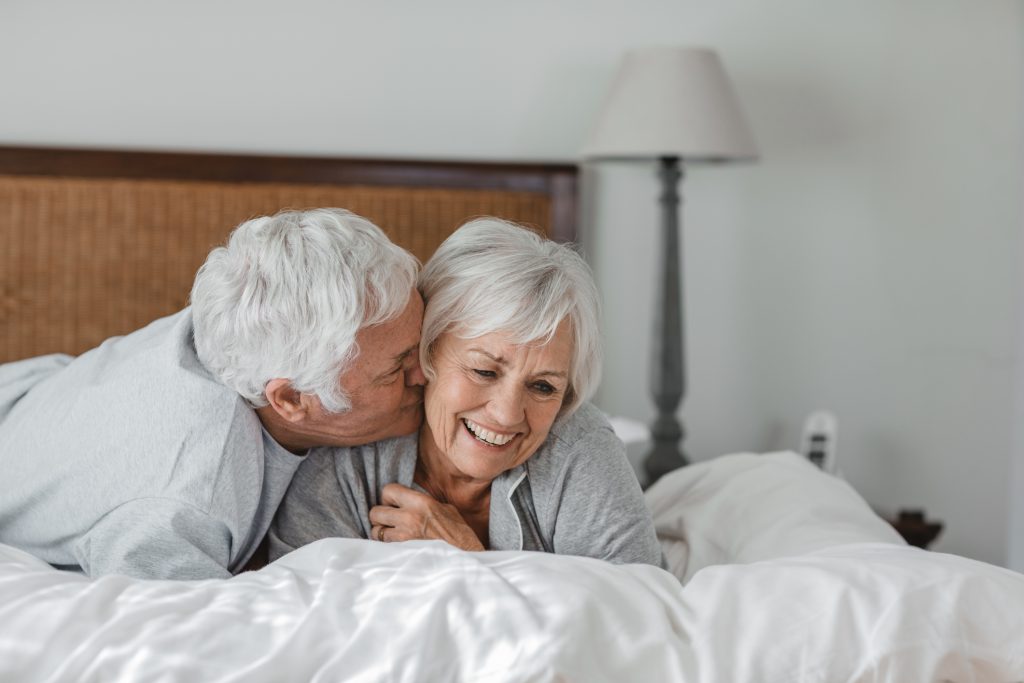
Research shows that the following benefits are linked to having a more active sex life.
- Lowered stress and blood pressure
- Improved heart functioning
- Better immunity
- Stronger pelvic floor muscles
- Less overall pain
- Greater physical fitness
- Improved mood
- Improved cognitive functioning
- Higher self esteem
While these positive outcomes have been associated with an active sex life, there has not been research showing a causal relationship.
Common Complaints
Complaints about sex from older people are pretty common with about 50% of couples having complaints. Furthermore, in our Gottman Institute sample of 40,000 couples about to begin couples therapy a whopping 83% of heterosexual couples presented with serious issues with romance and passion, 80% of lesbian couples and 82% of gay male couples.
The primary complaints were:
- Painful intercourse
- Vaginal dryness
- Erectile dysfunction
- Premature or delayed ejaculation
- Hormonal changes in testosterone and estrogen leading to reduced libido
- Performance anxiety about sexual intercourse
- Chronic health conditions (primarily diabetes and hypertension)
- Post-menopausal mood swings
- Communication issues
- Stress/fatigue
74% of older couples reported fatigue interfering with sexual desire. Health issues (obesity, high blood pressure, diabetes) afflicted 78% of people aged 44-64, and 93% of people aged 65-plus. These health issues have a profound negative effect on sexual desire.
Why do older people stop having sex?
Is it actually the case that many older people stop being sexually active? Yes. The sexual inactivity data are as follows for couples:
- Aged 57-64: 27% are sexually inactive
- Aged 65-74: 47% are sexually inactive
- Aged 75-85: 74% are sexually inactive
Why is this the case?
We need to note that the decline in sexual activity includes all forms of sex, not just intercourse. For many older people, the issue is they are no longer partnered:
- Ages 40-54: 29% are not partnered
- Ages 65 or older: 41% are not partnered.
Unpartnered people have dramatically less sex than people who are partnered. In one study, women who were partnered reported being 8x more sexually active than non-partnered women.
Loss of Libido
For people who are partnered and stop having sex the most common issue in the decline of sexual activity is a reported loss of libido. There are, however, consistent gender differences.
Ages | Think about sex more than 1x/week | |
Men | Women | |
57-64 | 75% | 29% |
65-74 | 58% | 19% |
75 and older | 41% | 11% |
Deterioration of the relationship
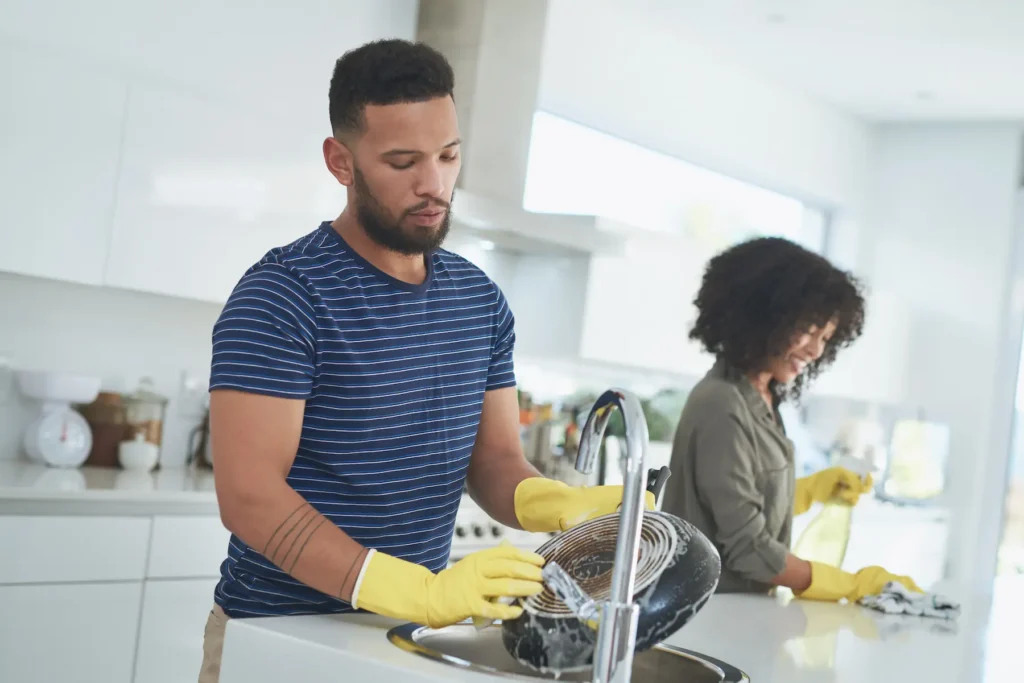
A study by the UCLA Sloan Center discovered that even for young dual-career heterosexual couples, there was a strong tendency for marriages to deteriorate into purely managerial marriages. Most of the time in an evening partners weren’t in the same room in the home more than 10% of the time! Conversation was mostly limited to talk about errands and how to get through a huge to-do list. What had deteriorated was: time for romance, play, fun, and adventure.
What this study shows is that the decline in sexual activity is not just a decline in sex. It is a decline in most forms of positive affect. These include play and fun, adventure, romance, mutual exploration, learning and experiencing new things. What seems to shut down is all forms of positive sensual experience.
Trust
For people who are partnered, one of the major reason they stop being sexually active concerns trust.
Couples therapists can expect that 30 to 40% of their clients will present with an affair that involves a betrayal of trust and commitment. The deterioration of trust and commitment has profound effects on sexual desire and activity.
Let’s Talk About Sex…
For people who are partnered, one of the major reasons they stop being sexually active concerns communication.
About 73% of heterosexual couples report being highly uncomfortable talking to one another about their sex life. This is – amazingly – not the case for lesbian and gay male couples. For heterosexual couples, I suggest that an essential reason they stop having sex concerns their response to their partner saying “no” to a sexual invitation by the partner. Negative reactions to “no” are quite mixed and prevalent:
- 62% report feeling upset or sadness
- 48% report feeling angry
- 45% try to convince the partner to have sex even if they aren’t in the mood
How to say ‘no’
Research suggests that these negative responses are instrumental in these couples having increasingly less sex. It appears that the only way to respond to ‘no is to say something like:
Thank you for telling me that you aren’t in the mood for sex. What are you in the mood for? Should we take a walk? Should we make popcorn and watch a movie, should we just talk, should we cuddle?
When ‘no’ doesn’t end emotional connection, couples will keep having sex.
What does my partner like in the bedroom?
Another consequence of couples being uncomfortable talking about their sex lives is a lack of knowledge about the partner’s erotic world. To deal with this problem I suggest using the Salsa Cards in the Gottman card deck app. You will get ideas about sexual activities and a list of 100 questions to ask a man about his erotic world and 100 questions to ask a woman about her erotic world.
Conflict
Another reason couples stop being sexually active concerns conflict.
The danger in high levels of continued conflict is that it leads to spill over and negative sentiment override. In negative sentiment override people start expecting their partner to blame and criticize them, and these effects spill over into all aspects of the relationship, deteriorating friendship an intimacy.
Shared Meaning
Many couples report drifting apart over time in life-style preferences, interests, goals, and whatever gives each of their lives a sense of meaning and purpose. They lose a sense of shared meaning. That drifting apart can affect the couple’s sexual activity.
What are the effects of retirement on people’s sex life?
It depends on whether the retirement voluntary or not. Unfortunately, it has become quite common in American industry to fire people when they are in their early 50s. Most people who have faced involuntary retirement or layoff have a great deal of trouble finding another job that pays the same. 27% of these people report experiencing depression, compared to 13% of those who retire voluntarily. 33% of all retirees report is a loss of identity; 24% of all retirees also experience a disrupted social network and drift into becoming more socially isolated.
However, for most people retirement is not at all a crisis. Bob Levenson’s research suggests that the key ingredient that makes retirement a source of happiness is the quality of people’s closest relationships.
What is The Empty Nest Syndrome?
There is a very well-established U-shaped curve to marital happiness across the life span. The effect is that marital happiness begins systematically declining after the honeymoon, and it keeps declining until the youngest child leaves home. Then marital and sexual satisfaction continues to increase.
What are the essential ingredients of a happy sex life?
The largest study ever done on the question of what is different between people who say they have a great sex life and those people who say they have an awful sex life were explored in the study conducted by Northrup, Schwartz, and Witte in their book The Normal Bar. Their questionnaire study involved 70,000 people in 24 countries. Their first conclusion is that these differences are consistent throughout the 24 countries studied. That alone is an amazing finding. The second set of conclusions is that couples who have a great sex life do the following:
- Say “I love you” every day, and mean it.
- Give one another passionate kisses for no reason at all.
- Give one another compliments.
- Are physically affectionate, even in public.
- Cuddle often.
- Give one another romantic presents.
- Have weekly romantic dates.
- Take romantic vacations.
Notice that none of these things have anything to do with what happens in the bedroom. They all concern affection and emotional connection. So start with the small things that deepen your emotional connection. It will lead to a better relationship, better sex life, and improved overall health and wellbeing.