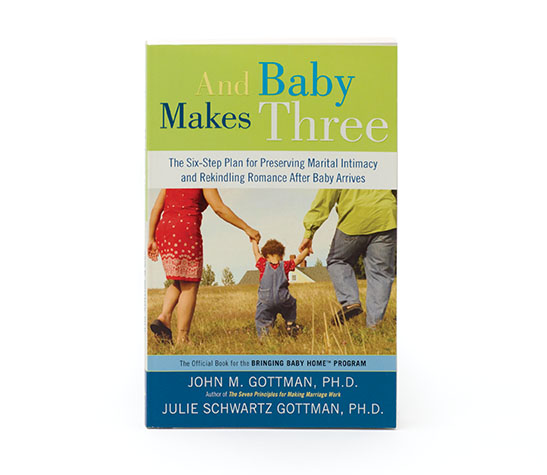
While walks on the beach and lazy afternoons of lovemaking often take a back seat after having a baby, Dr. John Gottman’s research presented in the Bringing Baby Home workshop shows that passion and parenting can co-exist.
Gottman studied over 150 parents before and after having their first child and found that almost two-thirds reported heightened conflict, relationship disappointment, and hurt feelings post-baby.
What were the other one-third of couples doing differently?
They were making romance and friendship a part of their routine. While a decrease in sex is common and expected in the first few months of a newborn’s life, it is still an important part of a couple’s life and a strong predictor of overall relationship satisfaction. Thus, prioritizing sex and intimacy is essential for new parents going through the transition to parenthood.
Understanding the initial adjustment to parenthood
Life is an emotional rollercoaster the first few months after having a baby. Natural stressors of parenting such as hormonal shifts, recovery from childbirth, and sheer physical exhaustion (coupled with a reduced sex drive) leave every parent experiencing the highest of highs, the lowest of lows, and everything in between.
It’s no surprise that both men and women find themselves less interested in sex and romance during this time.
For new moms, breastfeeding and bonding with their baby become the priority, and women can struggle to find equal time for both spouse and baby.
Dads, learning the ropes of parenthood as well, feel increased pressure to provide for and protect the family, whether financial or otherwise.
These new roles can be tricky for spouses to navigate. While juggling the maze of new parenthood together, romance, passion, and intimacy can quickly take a back seat to exhaustion, short-fused statements, and unstimulating “errand talk.”
Creating and sustaining a relationship that is rich in meaning—infused with those special rituals that bring us closer together and allow us to connect with one another—is even more important after having a baby.
Establishing rituals of connection
The Bringing Baby Home research found that the quality of a couple’s sex life is a direct result of how emotionally connected they are to each other. Keeping the emotional connection strong not only helps to buffer the stressors of new parenthood, but also allows for greater passion and intimacy.
To keep the emotional connection strong, be intentional.
Consider developing a morning routine of feeding, playing, and taking care of the baby together. Spend 10 minutes a day unwinding and building Love Maps, and make weekends extra special by planning a unique family outing.
When you create intentional rituals of connection, you’re deepening your friendship in small, everyday, tangible ways while also increasing your sexual intimacy.
Preserving intimacy and romance
Most couples think that fancy dinners, weekend getaways, and sexy lingerie make for a more romantic relationship, but research shows that these are not the key to increasing intimacy.
New parents should feel more at ease knowing that they don’t have to think big. The small, everyday interactions like holding hands, a long hug, and cuddling at the end of the day are tender moments that keep partners physically connected. A couple’s sex life peaks when they simply make time for each other, engage with one another, and build a surplus of positive interactions.
Keeping sex and affection alive
Initially, some moms may feel “over-touched” from nursing and holding their baby, so they won’t feel particularly touchy-feely with their spouse. But affection doesn’t have to be only physical; couples can still stay close and intimate through verbal and non-physical tenderness. Talking about what feels good, expressing appreciation, and keeping daily rituals of connection in place can be a welcome source of comfort. Taking a soothing bubble bath together, giving a light shoulder massage at the end of a long day, and talking about sex are great ways to still feel close and intimate.
Sexual desire can return after kids. Once new parents realize how important it is for the overall quality of their relationship, they can begin to discuss how to reignite the flames
Sex therapist Lonnie Barbach suggests using numbers to gauge the desire for sex. For example, one partner may be a 7 or 8 (very interested) and the other may be a 2 (low interest). The number 2 may not be a personal rejection, but perhaps more of a “No for now.” The partner who is a 7 or 8 can decide if they want to initiate sex further in the hopes of getting their partner interested. With the right moves, the number 2 partner may quickly move up the scale of arousal.
Many couples report that scheduling time to make love keeps them committed to following through and is something they look forward to experiencing.
The idea of scheduling sex may seem silly, but the truth is that sex is rarely ever truly spontaneous. Newly dating couples still plan for lovemaking by choosing a special outfit, buying new cologne, or picking a steamy playlist in anticipation of the night ahead.
Planning regular date nights away from your baby can also help replenish and fortify your relationship. Some other ideas include morning lovemaking or spooning during naptimes. Sexy messages throughout the day build excitement for the night ahead and makes courting playful, lighthearted, and fun. Intentionally carving out this time with your partner helps to remind you that you are a team, which, in turn, makes it easier for you to tackle daily struggles in a united way. In the long run, it also helps you to be better co-parents to your child.
Having children is most definitely a game changer, but it doesn’t have to be a romance killer. With just a little bit of effort, new parents can preserve intimacy in the midst of early morning wake-ups, around-the-clock feedings, and at times overwhelming set of new responsibilities.