When Rebecca Woolf, author of All of This and the braid on Substack and mother of four, became a widow in her 30s, one feeling struck her as particularly unexpected: desire. Watching her husband lose his life force made her crave the feeling of being alive more than ever. “Eighty percent of my readers told me grief makes them horny,” she says. For Woolf, the message was clear: pleasure is not frivolous. It’s living.
Heidi Alexander, a Movement instructor, life coach, and mother of two, says, “My sexuality is my life force; birthright… It feeds the cells in my body light and love.”
It’s no secret that society views female desirability as something with an expiration date. For women with children, that desexualization can feel even more abrupt when they are seen as caretakers first, sexual beings second–if at all. However, motherhood and sexuality are not mutually exclusive. Sexual pleasure can be reclaimed at any stage of life. Experts and women alike are finding ways to reconnect with their bodies, desires, and confidence after parenthood.
Start with yourself.
“A healthy sex life with yourself comes first,” says Woolf. “Masturbation isn’t just a release. It’s a form of self-actualization.”
Self-pleasure is the key to figuring out what works for you and what doesn’t. Our bodies change, whether from age, childbirth, or trauma, and those changes affect how, and if, we feel pleasure. It is essential to discover what pleases you before trying to please others. Many women spend decades performing in the bedroom, prioritizing their partner’s pleasure. Post-parenthood, Woolf says, is an opportunity to stop faking and discover what truly feels good to you.
Beth Goss is a Bringing Baby Home Educator and Training Specialist with the Gottman Institute and a mother of two. The Gottman Institute applies scientific research and therapy techniques to help couples foster intimacy, respect, and understanding. Goss recognizes that discovering what is truly pleasurable for yourself is easier said than done.
While her children are now adults, Goss recalls the early days of motherhood. New mothers hardly have the time to get dressed or check their email, let alone masturbate. She recommends taking any moment to be with yourself. It might be something as simple as washing your face and realizing no one in the house is screaming. “Take that time to wash your face slowly. Be intentional and notice how you feel,” she says. “Get back in touch with your own body before continuing intimacy with another person.”
Allow yourself to feel insecure.
Even if you are self-aware, that is not a guarantee that your confidence will return overnight. Hormonal changes, fatigue, and stress can leave new mothers feeling disconnected from their own sexuality.
“You go from being somebody’s daughter to being somebody’s mother. That shift is disorienting,” Goss says. “It’s hard to feel sexy when you’re covered in milk, pee, spit-up, and have two hours before the cycle starts again.”
Woolf recommends easing in. Not comfortable being totally naked with a partner again? Wear a bra in bed. “Ease back in at your own pace. Give yourself grace. And eventually, you will recognize your f*ckability.”
Reconnect with your body and your mind.
Pleasure is as much physical as it is psychological. Alexander sees many new mothers struggle with feeling disconnected from their bodies. She recommends starting small. Breathwork and movement practices, such as Pilates, are a great first step.
“Pelvic floor practices and movement can help women rebuild strength and sensation,” Alexander says. “The more present you are in your body, the more you are going to feel. The more you can feel, the more pleasure you are going to have,” she says.
Emerson College junior Isabella Siebold, who studies Relationship Psychology through Film, recommends a simple practice of saying “I am beautiful” to yourself in the morning for one week. “After that time, see if you notice a difference in your confidence,” she says.
Alexander also coaches women through the use of tools like yoni eggs, which activate pelvic floor muscles and can enhance sexual pleasure. On Zoom workshops, Alexander walks an intimate group of women (cameras off) through the 4,000-year-old practice. They begin by self-pleasuring. “Put your hand over your [vagina] and ask her, does she want to work with the egg?” Alexander tells her clients. “If the answer is no, put [the egg] down and take a break, or masturbate without it.”
The key to the exercise is learning to listen to whether your body is a ‘yes’ or a ‘no’. So many times in life, we allow things to be pushed into us–literally and metaphorically—without thinking if it’s something we really want. The yoni egg practice helps rewire a woman’s brain not to say “Yes” automatically. It is also a method of “Cultivating sexuality for vitality, beauty, longevity and magnetism, as well as for overall pelvic health,” says Alexander.
Through the use of a yoni egg or a similar apparatus, you can locate your cervix and get to know your own body. You can even learn to circulate sexual energy and prolong orgasms.
Advocate and experiment.
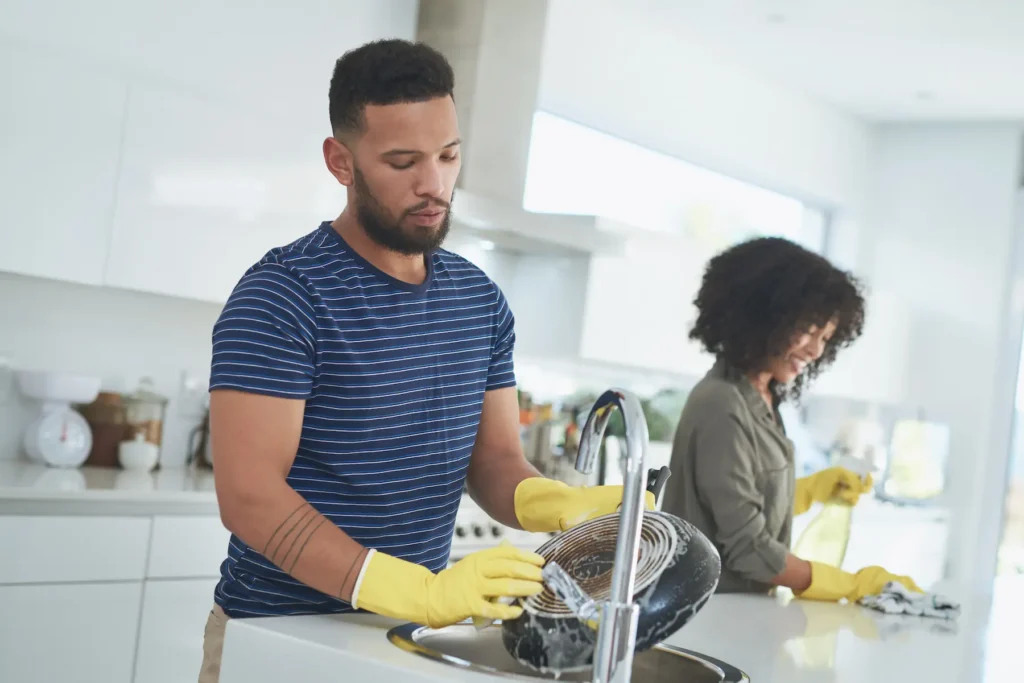
While today’s society is witnessing a shift away from traditional gender roles (see sidebar), most women are still responsible for running the home. Although they can, and do, delegate tasks, Gottman Educator Goss says that women are often in need of more. “Women don’t want to delegate. They want their partner involved enough that they can just know what needs to be done,” says Goss. “That itself is a form of foreplay,” she says. Establish your limitations early on and do not be afraid to ask for help.
Women can and should feel empowered to say “I want this…” or “I definitely don’t want that,” to experiment with what feels right without shame.
It’s okay not to be ready.
“If you don’t know what you want or how to ask for it, you are not ready,” says Woolf. Don’t put pleasure before someone else’s comfort.
Goss recognizes that a lot of women are “touched out” shortly after having a child. Luckily, intimacy comes in many forms. “For a lot of women, they need to feel an emotional connection before moving on to the sexual piece of a relationship,” she says. “The focus should be on friendship and being comfortable with your partner [or prospective partner]… Having rituals of connection that aren’t sexual.” That could be a kiss every night before bed, holding hands while watching trash TV, or your partner unloading the dishwasher without asking. Gottman refers to this practice as “Small things often.”
Movement instructor Alexander agrees, adding that foreplay often begins far earlier than most people realize. “It starts in the morning over coffee,” she says. Those tiny moments – a touch, a simple favor, a compliment – not only help women feel emotionally satisfied but can also rebuild confidence and naturally rekindle desire.
Reclaiming pleasure after having a child isn’t about returning to who you were before birth. Instead, it’s about embracing your new self. That may look like a short pilates routine, rediscovering your body through masturbation, or telling yourself you are beautiful every day. Whatever form it takes, seeking pleasure isn’t selfish. It’s the ultimate form of self-love.
Sidebar: Nothing is Off the Table.
In recent years, experts have observed a trend of women rejecting traditional gender roles and relationships. “I know a lot of women without partners in their 30s… who are choosing not to settle for a relationship that doesn’t serve them,” says Goss. “I think it stems from how we were parented and our parents’ relationships, and deciding whether that’s something we want to repeat or do differently.”
Junior Relationship Psychology through Film major Isabella Siebold says, “When I tell people I don’t want kids, I always hear, ‘You’ll meet someone who will change your mind!’ What if I just don’t want kids?”
To that, writer, speaker, and mother of four Rebecca Woolf says there is no one right path. “It’s an exciting time to be a woman of any age.” We see this shift away from settling, away from saying yes to something as major as having kids just because it’s what we’re told to do, and even away from monogamy.
“Monogamy can be exhausting,” says Woolf. “[There is] nothing less sexy than carrying the burden in bed, in the home, and at work.” It can leave women feeling invalidated and unseen. We spend so much time figuring out what feels good for our partner, we neglect ourselves. “Instead of continuing to perform, figure out what works for you,” says Woolf. Reclaiming pleasure can mean expanding the menu of possibilities. Whether you are looking to spice up your relationship or are newly single, “Nothing is off the table,” she says. “Relationships, like sexuality, exist on a sliding scale.”
A Happier Relationship Starts Today
Subscribe to Gottman Love Notes and get regular relationship tips and resources from the experts, plus a monthly free couples exercise and access to special pricing on Gottman products.