About a month ago I realized something had to change. I was too tied to my phone. Too distracted. Too stressed out. And missing important moments in my time with my family. So I put my phone away for three days.
Literally, I locked it in a safe. It was awesome. And then I decided to stop sleeping with it right next to me on the nightstand. I need the alarm, though, so I just put it on the dresser on the other side of the room. And then I read this in Psychology Today:
“In a much-discussed 2014 study, Virginia Tech psychologist Shalini Misra and her team monitored the conversations of 100 couples in a coffee shop and identified ‘the iPhone Effect’: The mere presence of a smartphone, even if not in use — just as an object in the background — degrades private conversations, making partners less willing to disclose deep feelings and less understanding of each other, she and her colleagues reported in Environment and Behavior.”
And this:
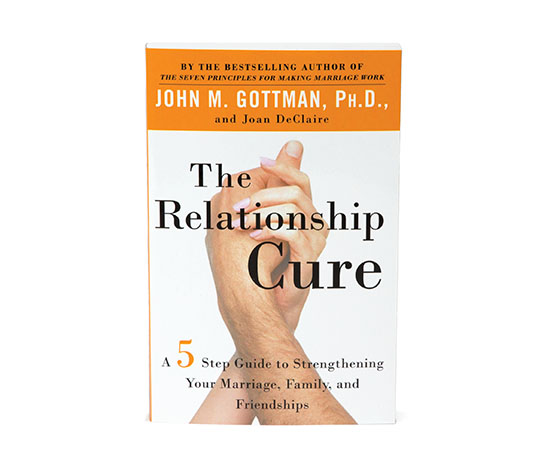
“…as relationship researcher John Gottman has documented, the unstructured moments that partners spend in each other’s company, occasionally offering observations that invite conversation or laughter or some other response, hold the most potential for building closeness and a sense of connection. Each of those deceptively minor interludes is an opportunity for couples to replenish a reservoir of positive feelings that dispose them kindly to each other when they hit problems.”
Those “unstructured moments” and “minor interludes” are what smartphones destroy. And that’s truly sad because today’s hurried marriages and friendships could really use those moments and interludes!
The importance of unstructured moments and minor interludes
I need those moments. My family needs those moments. And I need to realize that some of the best moments of my life happen in those unstructured, minor moments and interludes. The stuff I remember on my deathbed will probably be the stuff that seemingly happened in the margins, but are actually very important moments in my life:
- The dance I shared with my little girls in a hillside bungalow while the ocean extinguished the sun.
- The long talk with my brother about deep stuff that happened in a treehouse in a field, doing “nothing.”
- The unrushed joy of losing a game of Stratego to a small child.
- Sipping coffee with my soulmate, pretending to be tourists in our own town, having a deep conversation from our hearts.
I don’t want to be “absent present.” I don’t want to photograph my kid’s childhood instead of really seeing my child. I don’t want to be thinking about how this will look on Instagram when I should be thinking, “I’m so glad I get to be here.”
Am I watching my kid perform in a play so my Facebook friends can see it? No, I’m doing it because I want to connect with my child.
I also want my partner to feel listened to and heard deep down in her soul. I want “spending time together” to mean more than “browsing Facebook together.”
What about you? Is your smartphone your first love? I doubt it. Your true loves in your life are more important—family, close friends, relatives, your partner, your kids.
Less tech-time, more face-to-face time
So, do you need to ban all smartphones from the kitchen or dining room at certain times of the day, like breakfast or dinner? Do you need to set aside time for your family to hang out and enjoy each other’s company without the distractions of technology? It’s a strategy that some families use, and it helps to set healthy boundaries that reinforce the importance of face-to-face attentive connection with those you love.
I’m afraid that too much tech use is like carbon monoxide poisoning: the first symptom is that you stop recognizing symptoms. Do you need to recognize symptoms? Do you need to try shifting things for a week or two? Is it possible that you don’t even know what you’re missing?
Try it for a week and see what happens. Try it even for a day. Notice what changes in your interactions with those you love. Notice the positivity and connection that comes from it.