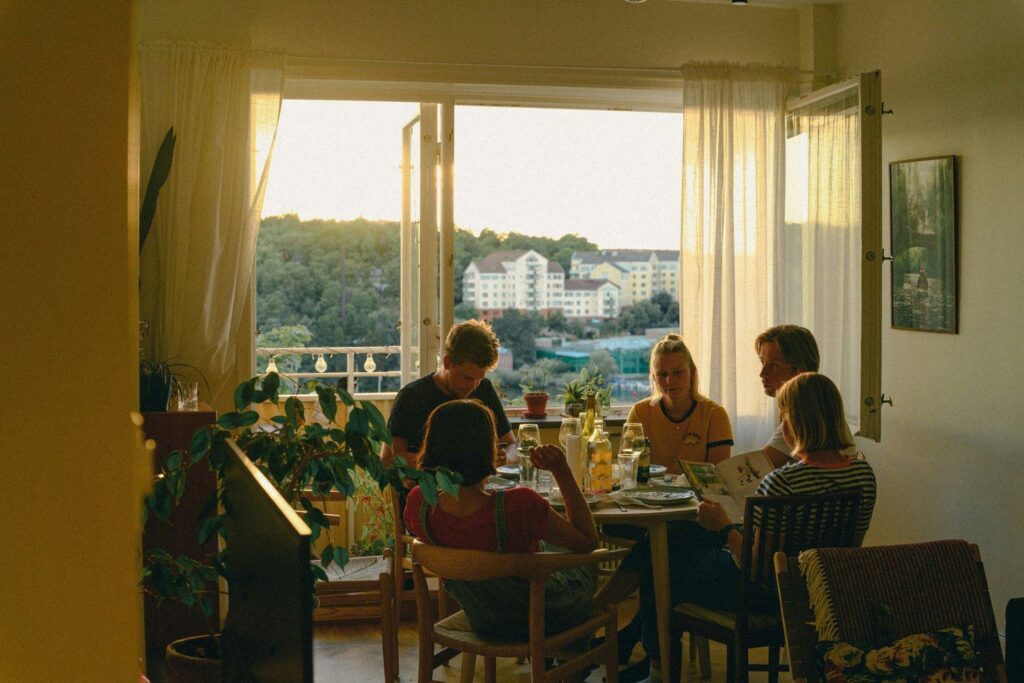
On a Saturday night in Minneapolis, Elena and Sam were the last to leave a dinner party. They had been good company all evening. He told the story about the canoe and the thunderstorm; she laughed in the right places, the way she always did. In the car, neither of them said anything until the exit for their street, and then it was about the babysitter.
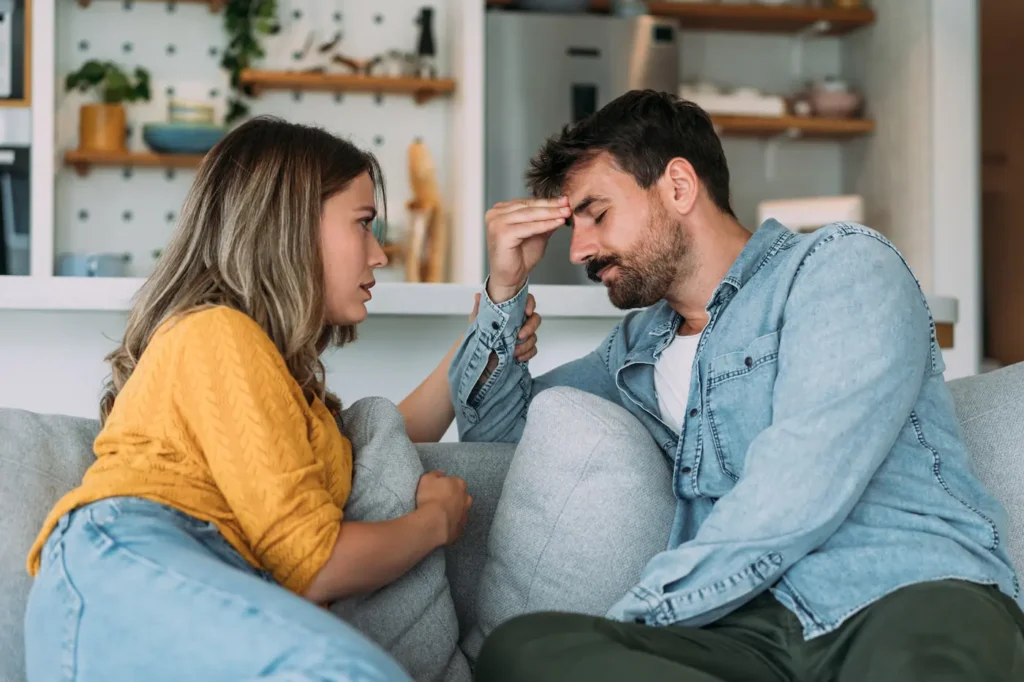
She thought about it while she paid the sitter and he took the dog out. They did not fight; they had not in a long time. They ran a house together, and that was most of what they did.
What is roommate syndrome?
Roommate syndrome is the everyday name for a relationship that has come to feel more like a living arrangement than a partnership. Mark Travers, Ph.D., writing in Psychology Today, describes partners who still share the responsibilities but have lost the closeness. Two of his three signs are separate lives and little intimacy. The third: you talk about the bills and the babysitter, and not much else.
Couples who use the word are rarely describing a crisis. There is no date it started.
Parallel Lives: What Gottman Research Says About Roommate Syndrome
The Gottman Institute has not studied roommate syndrome specifically. But Dr. John Gottman has a name for the pattern. He calls it leading parallel lives.
Most marriages do not end over fighting, Gottman writes. More often, to avoid constant skirmishes, partners distance themselves so much that their friendship and sense of connection are lost. Couples who have settled into that civil distance can look fine from the outside. They may lead parallel lives in the same home, Gottman writes, and go through the motions of togetherness, attending their children’s plays and hosting dinner parties, without feeling connected to each other.
In a study that followed 79 couples for fourteen years, Gottman and Robert Levenson found two waves of divorce. The first came early, within about seven years, and anger in the couples’ conflict discussions predicted it. The second came later, around the time the first child turned fourteen. Those couples were not fighting. They had gone flat with each other. In the lab, they showed very little positive emotion and held back the negative, both in a conflict discussion and in a conversation about an ordinary day.
Gottman called them alienated and avoidant, and their marriages passive and distant. Left to themselves, he said, partners in those marriages tend to blame each other for the distance. A couples therapist can help a couple step out of that pattern, and Gottman was hopeful about them: “These marriages can have a renaissance.”
One woman at a Gottman workshop put it this way: “We got along okay and really loved each other, but I didn’t feel that connected to Kevin. It was like we were roommates who made love.” Helen and Kevin had love and goodwill, Gottman writes. They lacked a sense of shared meaning, which he describes as “creating an inner life together—a culture rich with symbols and rituals.”
Couples build shared meaning, Gottman writes, partly through rituals of connection. A ritual, in his definition, is “a structured event or routine that you each enjoy and depend on and that both reflects and reinforces your sense of togetherness.” You know how it will play out, and you know you will have each other’s attention. It can be as small as how the two of you greet each other at the end of the day.
The Rituals of Connection Questionnaire, from Gottman
In The Seven Principles for Making Marriage Work, Gottman offers thirteen statements for couples who want to see how well they create shared meaning through rituals. Read each one and answer true or false.
- We see eye to eye about the rituals that involve family dinnertimes in our home.
- Holiday meals (like Thanksgiving, Christmas, Passover) are very special and happy times for us (or we both hate them).
- End-of-the-day reunions in our home are generally special times.
- We see eye to eye about the role of TV in our home.
- Bedtimes are generally good times for being close.
- During the weekends, we do a lot of things together that we enjoy and value.
- We have the same values about entertaining in our home (having friends over, parties, and so on).
- We both value, or both dislike, special celebrations (like birthdays, anniversaries, family reunions).
- When I become sick, I feel taken care of and loved by my partner.
- I really look forward to and enjoy our vacations and the travel we do together.
- Spending our morning time together is special to us.
- When we do errands together, we generally have a good time.
- We have ways of becoming renewed and refreshed when we are burned out or fatigued.
Give yourself one point for each true.
Below 3. Your relationship could stand some improvement in this area, Gottman writes. If the two of you do not see things the same way on a statement, he suggests treating that as an opportunity to create a ritual of connection that will be meaningful to both of you.
Where to start. In our earlier article, When You Feel Like Roommates But Want to Be Lovers Again, you will find six Gottman practices for rebuilding closeness, and there are ideas for the rituals themselves in 5 Rituals to Reconnect in Your Relationship. If one of you seems further away than the other, read this piece on emotionally unavailable partners. If the phone is in the middle of it, we have written about that too.
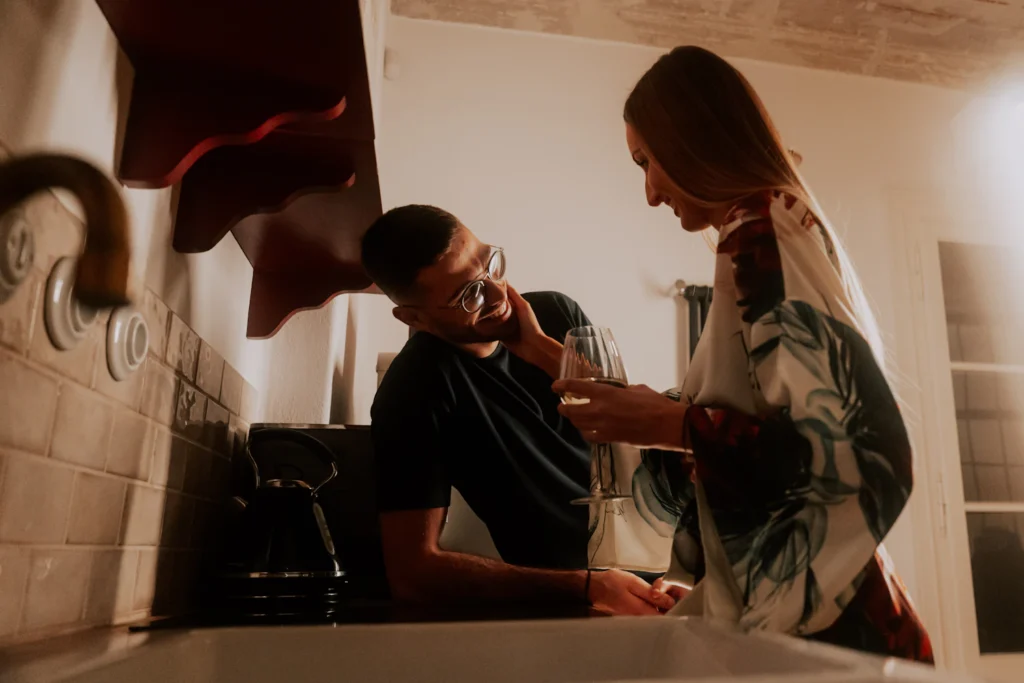
The following Saturday, Elena and Sam stayed in. They cooked, which they had not done together since the spring, and the dog got the ends of the carrots. In the car the week after, on the way home from another dinner, he asked her what she had made of the couple across the table, and she told him.
Frequently Asked Questions
Roommate syndrome is an everyday term for a relationship that feels more like a living arrangement than a partnership. The chores and the calendar are still shared. The closeness is not.
Dr. John Gottman writes that marriages end more often through distance than through fighting, and that couples can go through the motions of togetherness for years without feeling connected to each other.
Gottman suggests rebuilding the friendship in small, repeated ways, and one place to start is rituals of connection, the structured moments you can both count on. Take the questionnaire above, then read our article on feeling like roommates for six Gottman practices.
Gottman lists parallel lives among the late stages of a marriage in trouble. Of the alienated couples in his fourteen-year study, he said: “These marriages can have a renaissance.”