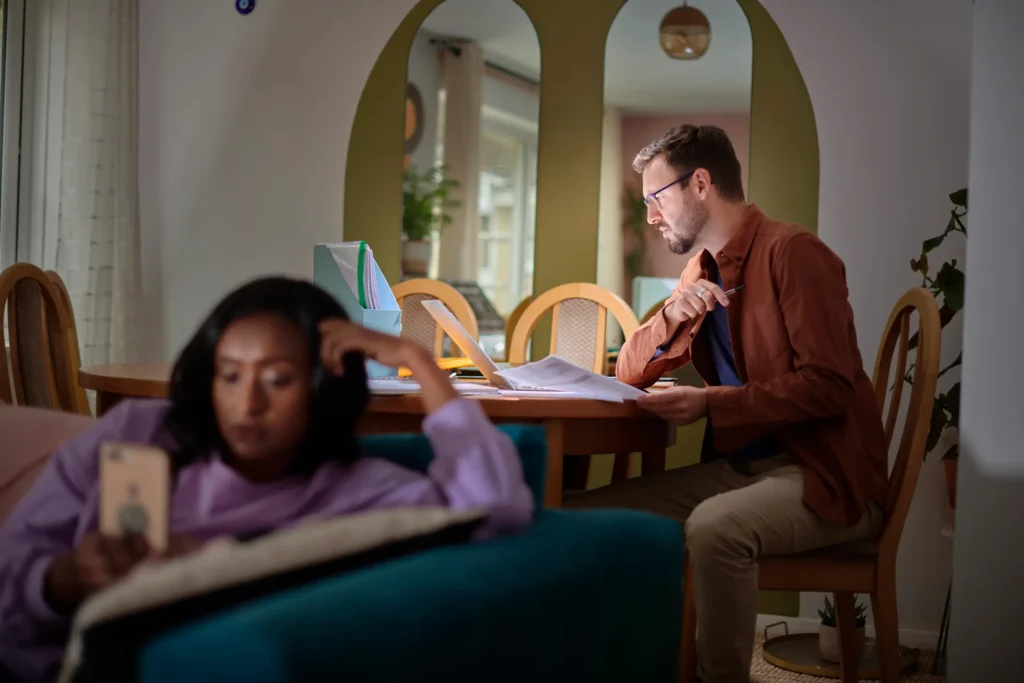
The car doors close, the heater hums, and nobody says a word for the first mile.
Maybe it was a comment from your mother-in-law that your partner let slide. Maybe it was the third time you were left alone with a relative while your partner disappeared into the kitchen. Maybe you can’t even name what it was. You only know that you walked in as a team and walked out feeling like strangers.
One of you wants to talk about it right now. The other wants silence until morning. Both urges make sense, and neither one, on its own, is a plan.
Holiday fights are common, and they’re rarely about the gravy. A fight doesn’t have to be the end of the story. What you do afterward matters more than the fight itself.
Why the holidays bring out old patterns
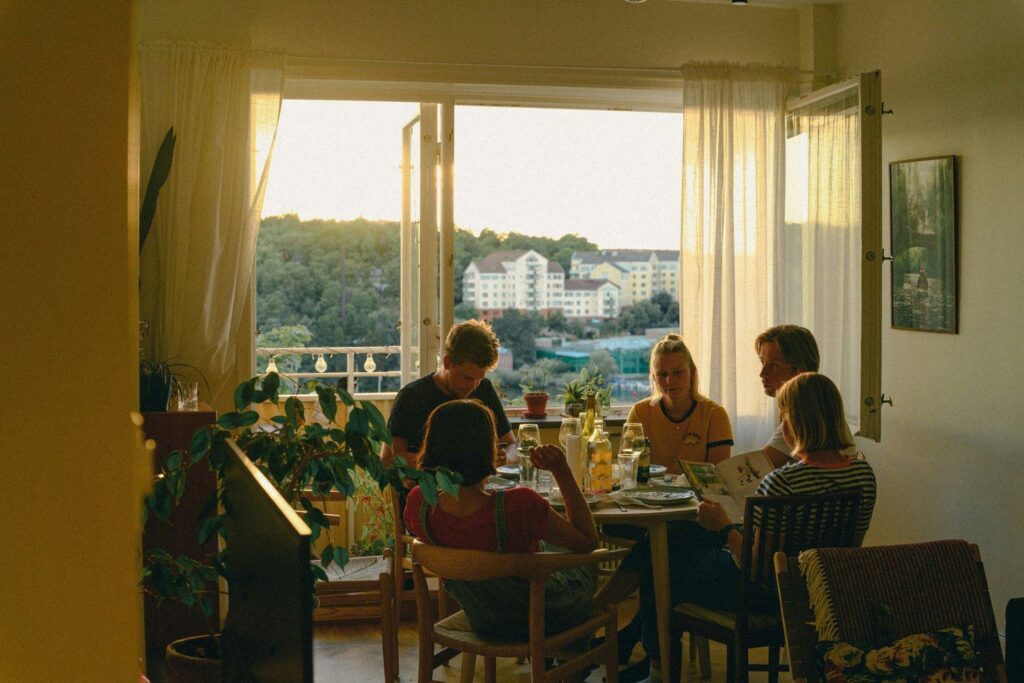
Family gatherings put a couple under a particular kind of pressure. You’re tired from travel and late nights. Your usual routines are gone. There may be alcohol, a packed schedule and the quiet question of whose family comes first. Old family roles can snap back into place the moment you walk through the door.
Under all of that, many holiday fights come down to one feeling: I didn’t feel like you had my back. The argument may sound like it’s about who said what at the table, but the hurt is often about feeling alone in a room full of people.
First, calm your body
When a conversation gets heated, your body can shift into fight-or-flight. Dr. John Gottman’s research calls this flooding. Your heart races, you hear criticism in everything, and it becomes very hard to listen or think clearly. Talking while flooded usually makes things worse.
So before you try to sort anything out, take a real break. The Gottman approach suggests at least 20 minutes. Use the time to self-soothe: take a walk, listen to music, take a shower or breathe slowly. Try not to spend it rehearsing your case or replaying the worst moment.
Before you step away, agree on when you’ll come back. “I need a break, but I want to talk about this. Can we sit down after breakfast?” tells your partner you’re pausing, not leaving.
Talk about the fight, not in the fight
Once you’re both calm, the goal isn’t to replay the argument or decide who was right. It’s to understand what happened for each of you. The Gottman Institute’s approach to processing a fight or regrettable incident walks a couple through five steps:
- Feelings. Each of you names how you felt, using feeling words only. “I felt embarrassed.” “I felt lonely.” No explanations yet.
- Realities. Each of you describes what happened from your own point of view. Both versions can be true at the same time. The listener’s job is to summarize and validate, not to correct.
- Triggers. Share what got stirred up. Maybe a tone of voice reminded you of how your family argued when you were young, or being teased in front of others hit an old wound.
- Responsibility. Each of you owns some part of what happened, even a small part. “I was already stressed, and I snapped at you.”
- A plan. Each of you names one thing that would help next time.
It can feel slow. That’s the point: slowing down keeps you out of the same fight.
Make repairs small and specific
A repair attempt is any word or gesture that tries to ease the tension: “I was sharp with you at dinner. I’m sorry.” “Can we start over?” A hand on the shoulder. A shared joke that lands. Gottman’s research found that what sets steadier couples apart isn’t that they never fight. It’s that they repair.
Keep repairs simple. A long speech can start a new argument; one honest sentence usually does more.
Accepting a repair matters just as much as offering one. If your partner reaches out, try to meet them partway, even if you’re still a little hurt. You can say, “Thank you. I’m still upset, but I appreciate that.” Turning toward a repair, even halfway, tells your partner the door is open.
Plan the next gathering together
The best time to prevent next year’s fight is a calm week, well before the invitations go out. Start the conversation gently. A softened startup describes your feelings and asks for what you need, without blame:
- Instead of: “You always abandon me with your family.”
- Try: “Last time I felt on my own at your parents’ house. Can we make a plan so we feel like a team?”
Then agree on a few practical things:
- a signal that means “let’s step outside for a minute”
- how long you’ll stay, and how you’ll leave if it gets to be too much
- who handles which relative when a hot topic comes up (it often works best when each partner handles their own family)
- a quick check-in on the drive over and another on the way home
When the same fight keeps coming back
Some conflicts return every year because they’re tied to deeper differences in values, family loyalty or what each of you needs to feel safe. Gottman calls these perpetual problems. The goal with a perpetual problem isn’t to solve it once and for all. It’s to keep talking about it with curiosity instead of contempt.
If the same holiday fight repeats year after year, or if these talks stop feeling safe, a couples therapist can help you slow things down and hear each other again. And if you ever feel afraid of your partner, that’s different from a holiday argument. Reach out to the National Domestic Violence Hotline for confidential support.
The goal is coming back to each other
No couple gets through the holidays without friction. The goal isn’t a fight-free season. It’s knowing that after the hard moment, you’ll find your way back to each other, and that you’ll do it a little faster each time.